
High Protein Breakfast: 30g Protein Ideas, Benefits and Recipes
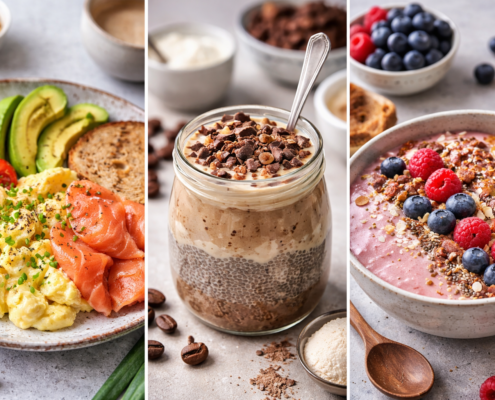
As a Nutritionist in London, I frequently see clients who eat generally healthy diets yet still experience mid-morning energy crashes, sugar cravings, slow fat loss or muscle loss during hormonal transitions.
A high protein breakfast typically provides around 25–35g of protein and may support appetite control, metabolism and energy stability throughout the day.
If you want a deeper explanation of the metabolic effects of breakfast protein intake, you may also find my detailed guide on why 30g of protein at breakfast can support metabolism and appetite helpful.
Quick Answers: High Protein Breakfast
What is a high protein breakfast?
A breakfast providing approximately 25–35g of protein from foods such as eggs, Greek yoghurt, cottage cheese, fish or protein powders.
Is 30g of protein at breakfast too much?
No. For most adults, 30g improves satiety, blood sugar stability and muscle maintenance.
Who benefits most from a high protein breakfast?
Women over 35, active individuals and people experiencing cravings or appetite instability often benefit the most.
Why Protein at Breakfast Matters
Appetite Regulation
Protein stimulates satiety hormones such as GLP-1 and peptide YY while reducing ghrelin, the hormone responsible for hunger signals.
Blood Sugar Stability
Protein slows gastric emptying and moderates glucose responses compared with carbohydrate-heavy breakfasts.
Muscle Preservation
Protein distribution across meals supports muscle protein synthesis and long-term metabolic health.
Resistance training further enhances these benefits. Learn more in my guide to the benefits of weight training for women.
High Protein Breakfast vs Low Protein Breakfast
| Breakfast | Typical Protein | Satiety |
|---|---|---|
| Cereal with milk | 8–12g | Low |
| Toast with jam | 5–7g | Low |
| Greek yoghurt with seeds | 25–30g | High |
| Eggs with salmon | 30–35g | Very High |
How Much Protein Do You Need at Breakfast?
- Smaller adults: 20–25g
- Most adults: 25–35g
- Active individuals: 30–40g
- Strength training goals: 35–45g
The key is consistency rather than perfection.
Best Foods for a High Protein Breakfast
- Eggs
- Greek yoghurt
- Skyr yoghurt
- Cottage cheese
- Smoked salmon
- Protein powders
- Chia seeds
- Nut butters
High Protein Breakfast Ideas
Egg-based breakfasts
- Scrambled eggs with smoked salmon and avocado
- Vegetable omelette with feta
- Egg muffins prepared in advance
Dairy-based breakfasts
- Greek yoghurt with chia seeds and berries
- Cottage cheese with fruit and nuts
- Skyr yoghurt with seeds
Smoothie breakfasts
- Greek yoghurt smoothie with berries
- Collagen smoothie with almond milk
- Protein smoothie with chia seeds
If smoothies appeal to you, you may enjoy my article on collagen smoothies for women.
30g High Protein Chia Pudding Recipe
Ingredients
- 2 tbsp chia seeds
- 200g Greek yoghurt
- 1 scoop collagen peptides
- 1–2 tsp xylitol
- ½ tsp vanilla extract
- 1 tsp coffee dissolved in hot water
- 1 tsp cocoa powder
Method
- Mix yoghurt, collagen, vanilla and sweetener
- Add coffee and cocoa powder
- Stir in chia seeds
- Refrigerate overnight
High Protein Breakfast Meal Prep Ideas
- Chia pudding prepared overnight
- Boiled eggs stored in the fridge
- Greek yoghurt bowls prepared ahead
- Homemade protein granola
A practical example is my collagen keto nut and seed granola.
High Protein Breakfast for Weight Loss
Protein-rich meals tend to increase satiety and may help reduce overeating later in the day.
If fat loss is a goal, you may also find this guide helpful: best foods for fat loss.
High Protein Breakfast During Menopause
During perimenopause and menopause, hormonal changes can influence appetite, muscle mass and fat distribution.
A protein-rich breakfast may support metabolic stability, appetite regulation and lean muscle preservation.
You can explore this further in my guide to nutrition tips for menopause.
For personalised support, you may benefit from working with a menopause nutritionist.
Skin and Connective Tissue Support
Protein also supports connective tissue health. Amino acids contribute to collagen production and skin structure.
For targeted guidance, you may benefit from working with a skin nutritionist.
Related High Protein Recipes
- Collagen Keto Nut and Seed Granola
- No Bake Collagen Keto Cheesecake
- High Protein Keto Cheesecake
- High Protein Snacks for Menopause
Frequently Asked Questions
How much protein should breakfast contain?
Most adults benefit from around 25–35g of protein to support appetite regulation and metabolic stability.
Is collagen a complete protein?
No. Collagen lacks some essential amino acids and should be combined with other protein sources.
Can high protein breakfasts reduce cravings?
Yes. Protein stimulates satiety hormones and may reduce mid-morning hunger.
Is a high protein breakfast helpful during menopause?
Yes. Higher protein intake may support muscle preservation and appetite regulation.
Disclaimer
This article is for educational purposes only and does not replace personalised medical advice.

