
Top 10 Foods That Will Make Your Skin Glow Naturally
Unlock the secret to radiant skin with our guide to the top 10 foods that will make your skin glow naturally. Nourish your beauty from within!
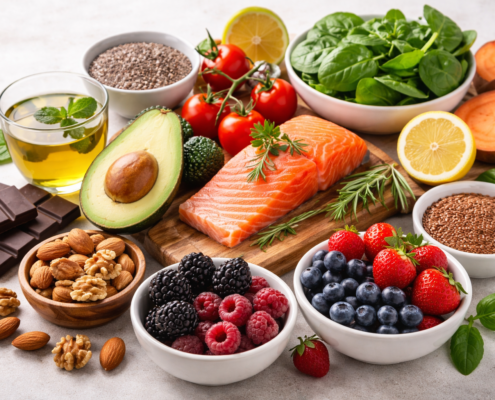
Nourish your beauty from within! For a personalised approach, you can also explore my London Nutritionist homepage.
The Importance of a Balanced Diet for Glowing Skin
Achieving glowing skin isn’t just about the products you apply on the outside; it’s also about what you nourish your body with on the inside.
A balanced diet plays a crucial role in maintaining skin health and achieving that sought-after radiance. Our skin is the largest organ, and like all organs,
it needs a variety of nutrients to function correctly. A diet rich in vitamins, minerals, antioxidants, and healthy fats can significantly impact skin health,
helping to repair damage, reduce inflammation, and keep the skin hydrated.
If you would like to explore this topic further, you may also enjoy reading
Clear Glowing Skin Nutrition, which explains how nutrition can support healthier, brighter-looking skin.
The foods we consume can influence the production of collagen and elastin, proteins that keep the skin firm, smooth, and youthful. For example, vitamin C is essential for collagen synthesis, while omega-3 fatty acids found in fish and flaxseeds help maintain the skin’s lipid barrier, preventing dryness and irritation. Therefore, a diet lacking in these crucial nutrients can result in dull, dry, and aging skin, while a nutrient-rich diet can enhance your natural glow.
Moreover, a balanced diet helps to combat the effects of free radicals, unstable molecules that can cause oxidative stress and damage skin cells. By including foods rich in antioxidants, such as berries, nuts, and green leafy vegetables, you can neutralize these free radicals and protect your skin from premature aging and other skin issues. In summary, a balanced diet is an essential foundation for healthy, glowing skin.
Top 10 Foods for Radiant Skin
1. Avocados
Avocados are packed with healthy fats that help keep skin moisturized and supple. They are also rich in vitamins E and C, which are essential for skin health.
Vitamin E protects the skin from oxidative damage, while vitamin C is vital for collagen production. The combination of these nutrients makes avocados a superfood for glowing skin.
2. Berries
Berries, including strawberries, blueberries, and raspberries, are rich in antioxidants, particularly vitamin C. These antioxidants help in fighting free radicals, protecting your skin from damage and promoting a youthful appearance. Berries also contain fiber, which aids in digestion and helps in the detoxification process, further contributing to clear, glowing skin.
3. Fatty Fish
Fatty fish like salmon, mackerel, and sardines are excellent sources of omega-3 fatty acids, which are crucial for maintaining the skin’s lipid barrier. This barrier helps to keep the skin hydrated, reducing inflammation and preventing dryness. Omega-3s also support the production of collagen, keeping the skin firm and elastic.
4. Nuts and Seeds
Nuts and seeds, such as almonds, walnuts, and chia seeds, are rich in essential fatty acids, vitamins, and minerals. They contain vitamin E, which acts as an antioxidant, and zinc, which helps with cell repair and regeneration. These nutrients work together to enhance skin texture and tone, giving you a natural glow.
Zinc is particularly important for skin repair and inflammation balance. For a more detailed look at this nutrient, you can read
Zinc: The Essential Mineral Your Body Can’t Thrive Without.
5. Sweet Potatoes
Sweet potatoes are high in beta-carotene, which the body converts into vitamin A. Vitamin A is essential for skin cell production and repair, helping to maintain a smooth and radiant complexion. Beta-carotene also acts as a natural sunblock, protecting the skin from sun damage and promoting an even skin tone.
6. Spinach
Spinach is a powerhouse of nutrients, including vitamins A, C, and E, as well as iron and folate. These nutrients are vital for skin health, as they help to repair skin cells, boost collagen production, and protect against oxidative stress. Incorporating spinach into your diet can lead to clearer, healthier, and more radiant skin.
7. Tomatoes
Tomatoes are rich in lycopene, an antioxidant that protects the skin from UV damage and improves skin texture. They also contain vitamins A and C, which help to brighten the skin and promote collagen production. Including tomatoes in your diet can help you achieve a youthful and radiant complexion.
8. Green Tea
Green tea is packed with antioxidants, particularly catechins, which help to reduce inflammation and protect the skin from damage. Drinking green tea regularly can improve skin elasticity, reduce redness, and prevent premature aging. It’s a simple yet effective way to enhance your skin’s natural glow.
9. Dark Chocolate
Dark chocolate, particularly varieties with at least 70% cocoa, is rich in antioxidants like flavonoids. These antioxidants help to protect the skin from UV damage, improve blood flow to the skin, and increase hydration. Enjoying a small piece of dark chocolate daily can contribute to a healthier and more radiant complexion.
10. Water
While not technically a food, water is essential for maintaining hydrated and glowing skin. Drinking enough water helps to flush out toxins, maintain skin elasticity, and prevent dryness. It’s recommended to drink at least 8 glasses of water a day to keep your skin healthy and radiant.
How Antioxidants Benefit Your Skin
Antioxidants are compounds that neutralize free radicals, unstable molecules that can cause oxidative stress and damage skin cells. This oxidative damage can lead to premature aging, wrinkles, and other skin issues. By including antioxidant-rich foods in your diet, you can protect your skin from these harmful effects and promote a youthful appearance.
For more practical food ideas, you may also like
My Top 5 Beauty Foods for Glowing Skin: A Nutritionist’s Guide.
One of the key antioxidants for skin health is vitamin C, which is abundant in fruits like oranges, strawberries, and kiwi. Vitamin C helps to boost collagen production, repair damaged skin cells, and brighten the complexion. Another important antioxidant is vitamin E, found in nuts, seeds, and green leafy vegetables. Vitamin E protects the skin from oxidative damage, promotes healing, and maintains skin elasticity.
Polyphenols, found in foods like green tea, dark chocolate, and berries, are another group of powerful antioxidants. These compounds help to reduce inflammation, protect the skin from UV damage, and improve overall skin health. By incorporating a variety of antioxidant-rich foods into your diet, you can enhance your skin’s natural glow and protect it from damage.
The Role of Hydration in Skin Care
Hydration is crucial for maintaining healthy, glowing skin. Water is essential for various bodily functions, including skin cell production and repair. When your skin is well-hydrated, it appears plumper, smoother, and more radiant. Dehydrated skin, on the other hand, can look dull, dry, and more prone to wrinkles and fine lines.
If you are interested in hydration strategies alongside skin support, see
Preparing for a Healthy Beach Day: Snacks, Hydration & Skin Care.
Drinking enough water helps to flush out toxins from the body, which can otherwise accumulate and cause skin issues like acne and dullness. It’s recommended to drink at least 8 glasses of water a day to maintain optimal hydration levels. In addition to drinking water, consuming water-rich foods like cucumbers, watermelon, and oranges can also help to keep your skin hydrated from within.
Proper hydration also supports the skin’s natural barrier function, preventing moisture loss and protecting against environmental damage. Using moisturizers and hydrating serums can further enhance your skin’s hydration levels. Overall, staying hydrated is one of the simplest yet most effective ways to achieve and maintain glowing skin.
Vitamins and Minerals Essential for Skin Health
Vitamins and minerals play a vital role in maintaining skin health and achieving a radiant complexion. Each nutrient has specific functions that contribute to skin repair, protection, and overall appearance. Ensuring you get an adequate intake of these nutrients through your diet can significantly impact your skin’s health.
Vitamin A is essential for skin cell production and repair. It helps to maintain a smooth and even complexion and can reduce the appearance of fine lines and wrinkles. Foods rich in vitamin A include sweet potatoes, carrots, and leafy greens. Vitamin C is another crucial nutrient for skin health. It boosts collagen production, repairs damaged skin cells, and brightens the complexion. Citrus fruits, berries, and bell peppers are excellent sources of vitamin C.
Zinc is a mineral that supports skin healing and reduces inflammation. It is particularly beneficial for those with acne-prone skin, as it helps to regulate oil production. Foods rich in zinc include nuts, seeds, and lean meats. Selenium, found in foods like Brazil nuts and eggs, is another essential mineral that protects the skin from oxidative damage and supports overall skin health. Including a variety of these vitamins and minerals in your diet can help you achieve and maintain glowing skin.
Brides often focus on these nutrients in the lead-up to their wedding, and for more targeted advice you can also read
The Bridal Glow: Nutritionist-Approved Tips for Healthy Skin.
Incorporating These Foods into Your Daily Diet
Incorporating skin-friendly foods into your daily diet doesn’t have to be complicated. With a little planning and creativity, you can enjoy delicious meals that nourish your skin from within. Start by including a variety of colorful fruits and vegetables in your meals. These foods are rich in vitamins, minerals, and antioxidants that promote healthy skin.
For breakfast, consider having a smoothie made with berries, spinach, and a scoop of protein powder. This nutrient-dense meal can provide you with essential vitamins and minerals to start your day off right. For lunch, opt for a salad with leafy greens, tomatoes, avocados, and a handful of nuts or seeds. Drizzle with olive oil and lemon juice for added flavor and skin benefits.
Dinner can include fatty fish like salmon, served with a side of sweet potatoes and steamed vegetables. Incorporate whole grains like quinoa or brown rice to provide additional nutrients and fiber. Snacks can include a handful of nuts, a piece of dark chocolate, or a cup of green tea. By making these small changes to your daily diet, you can enjoy delicious meals that support glowing, healthy skin.
Myths About Diet and Skin Care
There are many myths and misconceptions about diet and skin care that can lead to confusion and ineffective practices. One common myth is that eating greasy foods causes oily skin and acne. While a diet high in unhealthy fats can contribute to inflammation and skin issues, it’s not the direct cause of oily skin. Instead, focus on consuming healthy fats like those found in avocados, nuts, and fatty fish.
Another myth is that drinking more water will instantly clear up your skin. While staying hydrated is essential for skin health, it’s not a cure-all for skin issues. Proper hydration supports overall skin function, but other factors like diet, skincare routine, and lifestyle habits also play crucial roles. It’s important to address all aspects of skin care for the best results.
Finally, some people believe that supplements can replace a healthy diet for skin health. While supplements can help fill nutritional gaps, they should not be relied upon as a substitute for a balanced diet. Whole foods provide a complex array of nutrients that work together to support skin health. Prioritize a nutrient-rich diet, and use supplements as an additional boost if needed.
Other Lifestyle Factors for Glowing Skin
In addition to a balanced diet, other lifestyle factors play a significant role in achieving and maintaining glowing skin. Regular exercise is one such factor. Exercise increases blood flow, which helps to deliver oxygen and nutrients to the skin. It also promotes the removal of toxins through sweat, contributing to a clearer complexion.
Adequate sleep is another crucial factor for skin health. During sleep, the body repairs and regenerates skin cells, leading to a more youthful appearance. Lack of sleep can result in dull skin, dark circles, and an overall tired look. Aim for 7-9 hours of quality sleep each night to support your skin’s natural repair processes.
Stress management is also essential for skin health. Chronic stress can lead to hormonal imbalances, which can trigger skin issues like acne and eczema. Practicing stress-reducing activities like meditation, yoga, and deep breathing exercises can help to keep stress levels in check and promote a healthier complexion. By addressing these lifestyle factors, you can enhance the benefits of a balanced diet and achieve glowing, radiant skin.
Conclusion: Achieving Radiant Skin Through Nutrition
Achieving radiant skin is not just about using the right skincare products; it’s about nourishing your body from within. A balanced diet rich in vitamins, minerals, antioxidants, and healthy fats can significantly impact your skin’s health and appearance. By incorporating skin-friendly foods like avocados, berries, fatty fish, and leafy greens into your daily diet, you can support your skin’s natural glow.
In addition to a nutrient-rich diet, staying hydrated, managing stress, getting adequate sleep, and exercising regularly are all crucial factors for maintaining healthy, glowing skin. By addressing all aspects of your lifestyle, you can achieve and maintain a radiant complexion.
Remember, the journey to glowing skin is a holistic one. Focus on nourishing your body with the right foods, taking care of your overall health, and practicing good skincare habits. With consistency and dedication, you can unlock the secret to radiant, beautiful skin naturally.
You can explore a complete collection of skin-focused nutrition strategies, guides, and expert insights in my
Skin Health Nutrition Hub.
FAQ: Skin Health and Nutrition (Expert Answers)
What are the best foods for glowing skin naturally?
The best foods for glowing skin include avocados, berries, fatty fish, nuts, seeds, leafy greens, and tomatoes. These foods provide essential nutrients such as antioxidants, omega-3 fatty acids, vitamin C, and vitamin E, which support collagen production, reduce inflammation, and improve skin hydration.
How can I improve my skin naturally through diet?
To improve your skin naturally, focus on a diet rich in whole foods, including vegetables, fruits, healthy fats, and high-quality protein. Prioritise foods that support gut health, stabilise blood sugar, and reduce inflammation, as these are key drivers of clear, radiant skin.
How long does it take to see results from diet changes for skin?
Most people notice improvements in skin texture and radiance within 4–8 weeks of consistent dietary changes. However, results may vary depending on factors such as gut health, hormonal balance, stress levels, and nutrient deficiencies.
Which vitamins are essential for glowing skin?
The most important vitamins for glowing skin are vitamin C (for collagen production), vitamin A (for skin renewal), and vitamin E (for antioxidant protection). These nutrients work together to support skin repair, elasticity, and overall skin health.
Does hydration really make a difference to skin health?
Yes, hydration plays a key role in maintaining skin elasticity, smoothness, and overall appearance. Adequate water intake supports detoxification, circulation, and skin barrier function, all of which contribute to a healthier, more radiant complexion.
What foods help boost collagen production naturally?
Foods that support collagen production include vitamin C-rich fruits (such as berries and citrus), protein-rich foods (like fish and eggs), and zinc-containing foods (such as nuts and seeds). These nutrients provide the building blocks needed for collagen synthesis.
What foods can damage your skin without you realising?
Highly processed foods, excess sugar, refined carbohydrates, and trans fats can contribute to inflammation, blood sugar imbalance, and oxidative stress, which may negatively affect skin health and accelerate visible ageing.
Can nutrition help with acne, inflammation, and skin conditions?
Yes, nutrition plays a significant role in managing skin conditions such as acne, eczema, and inflammation. Supporting gut health, reducing inflammatory foods, and optimising nutrient intake can help improve skin clarity and resilience.
Is gut health linked to skin health?
Yes, there is a strong connection between gut health and skin health, often referred to as the gut-skin axis. An imbalanced gut microbiome can contribute to inflammation and skin issues, while a healthy gut supports clearer, more balanced skin.
What is the best daily routine for glowing skin from the inside out?
A consistent routine that includes a nutrient-rich diet, proper hydration, quality sleep, stress management, and regular movement supports glowing skin. Combining these lifestyle factors creates the optimal environment for long-term skin health.
ABOUT MILENA KALER

Milena Kaler is a is a qualified London Nutritionist, weight loss, digestive health, skin and autoimmune disease nutrition specialist. She is trained in the principles of Functional Medicine and practices from her clinic in Central London, as well as providing online consultations.
Milena has helped thousands of people to lose weight and keep it off. Scientific and holistic in approach Milena looks at all aspects of a client’s health. She embraces a systems-oriented approach aiming to get to the root cause of health and weight issues instead of simply focusing on the symptoms.
Milena’s expertise has been sought by celebrities, and she has been featured as a nutrition expert in reputable magazines including Women’s Health, Elle, Harper’s Bazaar, GQ, Cosmopolitan, Glamour, Women’s Fitness, Peak Brain Training, and Metro.
As a full member of the British Association for Applied Nutrition and Nutritional Therapy (BANT), and the Complementary and Natural Healthcare Council (CNHC), the only register for Nutritional Therapy recognised by the government and NHS, Milena is committed to upholding their strict Code of Ethics. Additionally, Milena is a member of the Primary Care Society for Gastroenterology (PCSG).
Milena sees patients with chronic health conditions, as well as clients looking for support to optimise their health. Some of the areas Milena can help with include: weight loss, digestive, hormonal, autoimmune disease, menopause, and skin health.
Milena sees every person as an individual with different problems and different goals. She takes time to listen to her clients’ specific concerns to develop customised nutrition and lifestyle plans, based on laboratory test results. Having overcome her own chronic health and weight loss issues, Milena really understands how it is to feel overwhelmed by poor health and can relate to her clients when they first come to see her.
