
Leaky Gut Syndrome: Causes, Symptoms & Evidence-Based Solutions
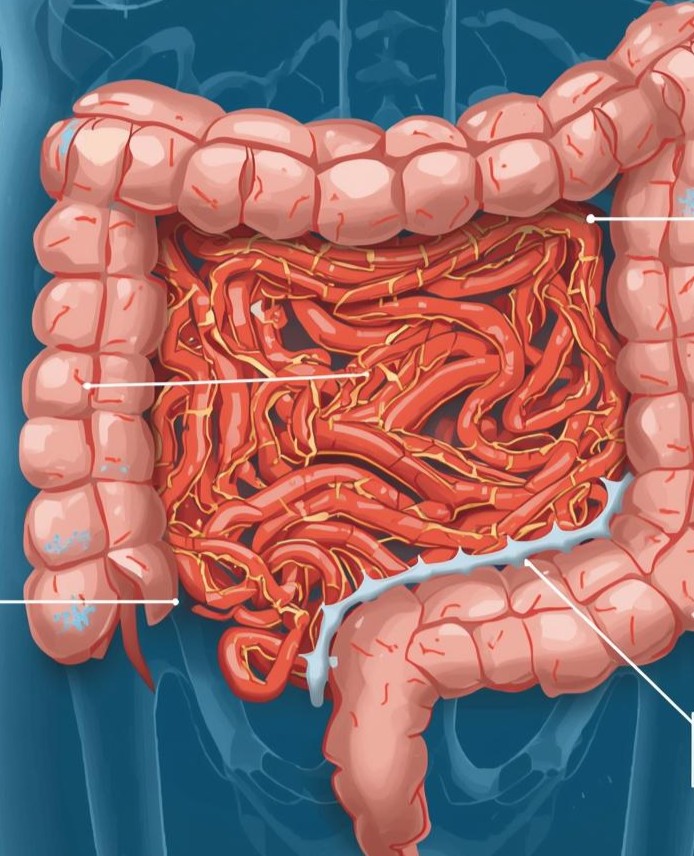
Leaky gut syndrome — often referred to as increased intestinal permeability — has gained significant attention in recent years, and as a nutritionist in London, I regularly hear questions about its impact on overall health. While it isn’t formally recognised as a medical diagnosis, emerging research suggests that a compromised gut barrier may play a role in various health concerns. In this comprehensive guide, we’ll explore the science behind leaky gut, its potential effects on the body, and evidence-based strategies to support gut integrity and long-term wellbeing.
What Is Leaky Gut Syndrome?
The intestinal lining acts as a selective barrier, allowing nutrients to pass while blocking harmful substances. In leaky gut syndrome, this barrier becomes compromised, leading to increased permeability. This dysfunction can permit the passage of toxins, undigested food particles, and pathogens into the bloodstream, potentially triggering inflammation and immune responses.
Causes of Leaky Gut
Several factors can contribute to the development of leaky gut:
- Poor Diet: Diets high in processed foods, sugars, and unhealthy fats can disrupt gut microbiota and damage the intestinal lining.
- Chronic Stress: Prolonged stress can alter gut motility and increase intestinal permeability.
- Medications: Certain drugs, like nonsteroidal anti-inflammatory drugs (NSAIDs), can impair gut barrier function.
- Infections: Gastrointestinal infections can damage the gut lining and alter microbiota composition.
- Alcohol Consumption: Excessive alcohol intake can increase gut permeability and promote inflammation.
Symptoms Associated with Leaky Gut
While leaky gut itself isn’t a disease, its effects can manifest in various symptoms:
- Digestive Issues: Bloating, gas, diarrhea, or constipation.
- Food Sensitivities: Increased reactions to certain foods.
- Fatigue: Persistent tiredness not explained by other conditions.
- Skin Problems: Acne, eczema, or rashes.
- Joint Pain: Unexplained aches or stiffness.
- Mood Disturbances: Anxiety, depression, or brain fog.
The Science Behind Leaky Gut
Research indicates that the gut lining comprises epithelial cells connected by tight junctions, which regulate permeability. Factors like inflammation, dysbiosis (microbial imbalance), and certain proteins (e.g., zonulin) can disrupt these junctions, leading to increased intestinal permeability.
Studies have observed elevated levels of zonulin in individuals with conditions like celiac disease and irritable bowel syndrome, suggesting a link between tight junction regulation and gut permeability.
Potential Health Implications
While more research is needed, some studies suggest that leaky gut may be associated with:
- Autoimmune Diseases: Conditions like rheumatoid arthritis and multiple sclerosis.
- Metabolic Disorders: Such as obesity and type 2 diabetes.
- Neurological Conditions: Including anxiety, and depression.
- Skin Disorders: Acne, eczema, and psoriasis.
It’s important to note that while these associations exist, causation has not been definitively established.
Diagnosing Leaky Gut
Currently, there is no standard clinical test for leaky gut. Some practitioners use the lactulose/mannitol test to assess intestinal permeability, but its reliability and clinical relevance are still under investigation.
Diagnosis often involves ruling out other conditions and considering symptoms in the context of the patient’s overall health.
Evidence-Based Strategies to Support Gut Health
While definitive treatments for leaky gut are still being researched, several lifestyle and dietary strategies may support gut integrity:
1. Anti-Inflammatory Diet
Consuming a diet rich in anti-inflammatory foods can help reduce gut inflammation:
- Fruits and Vegetables: High in antioxidants and fibre.
- Omega-3 Fatty Acids: Found in fatty fish and flaxseeds.
- Polyphenol-Rich Foods: Such as berries, green tea, and dark chocolate.
2. Probiotics and Prebiotics
These can help restore a healthy balance of gut microbiota:
- Probiotics: Live beneficial bacteria found in fermented foods like yogurt and kefir.
- Prebiotics: Non-digestible fibers that feed beneficial bacteria, found in foods like garlic, onions, and bananas.
3. Stress Management
Chronic stress can negatively impact gut health:
- Mindfulness Practices: Meditation and deep breathing exercises.
- Regular Exercise: Moderate physical activity.
- Adequate Sleep: Ensuring 7-9 hours of quality sleep per night.
4. Limiting Alcohol and NSAIDs
Reducing intake of alcohol and nonsteroidal anti-inflammatory drugs can help maintain gut barrier function.
5. Healing Nutrients
Certain nutrients may support gut repair:
- L-Glutamine: An amino acid that supports intestinal cell repair.
- Zinc: Essential for maintaining tight junction integrity.
- Vitamin D: Plays a role in immune regulation and gut health.
Clinical Insights from My Practice
In my clinical practice, I observe that many clients presenting with symptoms like bloating, fatigue, and food sensitivities often have underlying gut permeability issues. Through comprehensive assessments, including dietary evaluations and symptom tracking, we can identify potential contributors to gut dysfunction. Implementing personalized nutrition plans that focus on gut-healing foods, stress reduction, and lifestyle modifications has shown promising results in improving symptoms and overall well-being.
Conclusion
Leaky gut syndrome represents a complex interplay between diet, lifestyle, and gut health. While more research is needed to fully understand its implications, adopting a holistic approach that includes anti-inflammatory nutrition, stress management, and gut-supportive practices can be beneficial. If you’re experiencing symptoms that may be related to leaky gut, consider consulting with a healthcare professional to explore personalized strategies for supporting your gut health.
Disclaimer: The information provided in this article is for educational purposes only and is not intended as medical advice. Always consult with a qualified healthcare provider before making significant changes to your diet or lifestyle.
Working with a Nutritionist
Book an appointment today if you feel like you need more assistance or direction to reach your goals.
Online consultation with a Nutritionist is available for clients who live outside the London area or who are unable to come to my London office. You can enjoy the online consultation from the comfort of your home or office and you will be given the same level of personal attention and care that you would experience coming to see the Nutritionist in person.
Please note, the links provided are Amazon affiliate links. If you buy something using these links, I will receive a small commission, at no additional cost to you. Rest assured that all products recommended have been personally used and endorsed by myself.


Leave a Reply
Want to join the discussion?Feel free to contribute!