
How Gut Health Impacts PCOS: A Nutritionist’s Evidence-Based Guide
Understanding PCOS and Its Complex Nature
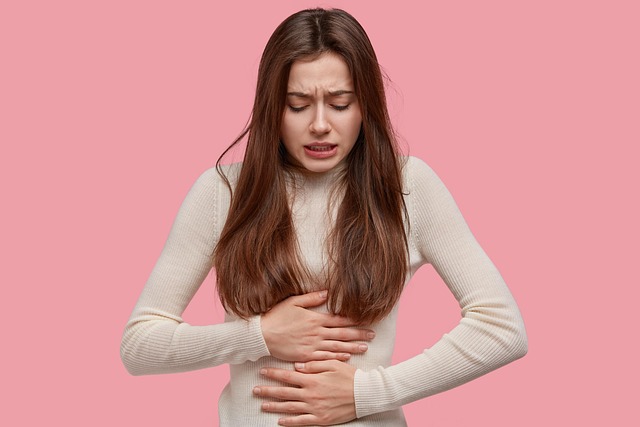
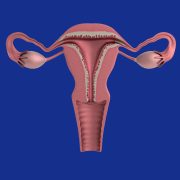
Polycystic Ovary Syndrome (PCOS) is a multifaceted condition that affects hormonal balance, metabolism, fertility, and mental well-being — and as a nutritionist in London, I often highlight how deeply interconnected these systems are. While PCOS is commonly associated with irregular menstrual cycles and ovarian cysts, it is increasingly recognised as a metabolic and inflammatory condition. What many people don’t realise is the significant role the gut microbiome plays in modulating PCOS symptoms. Because of this, targeted nutritional therapy that supports both gut and hormonal health can offer meaningful, sustainable relief.
The Gut-PCOS Connection: What the Research Reveals
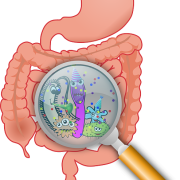
Emerging research shows a strong correlation between gut dysbiosis—an imbalance in the gut microbiota—and PCOS. Specifically, women with PCOS tend to have lower microbial diversity, increased gut permeability (commonly referred to as “leaky gut”), and elevated inflammatory markers. As a result, this disruption in the gut environment may worsen insulin resistance, systemic inflammation, and androgen excess—all of which are hallmark symptoms of PCOS.
Why the Gut Matters in PCOS
- Insulin Resistance: A healthy gut can help modulate glucose metabolism and insulin sensitivity, both of which are commonly impaired in PCOS.
- Inflammation: When the gut barrier is compromised, harmful compounds such as lipopolysaccharides (LPS) can enter circulation. Consequently, this triggers low-grade chronic inflammation and worsens PCOS symptoms.
- Hormone Metabolism: Gut microbes influence estrogen metabolism via the estrobolome. In turn, dysbiosis may contribute to hormonal imbalances and irregular cycles.
Signs Your Gut May Be Contributing to PCOS Symptoms
If you have PCOS and also experience bloating, constipation, loose stools, food sensitivities, or skin issues like acne and eczema, your gut may be asking for attention. These symptoms are not isolated. Instead, they are often deeply interwoven with PCOS pathology and metabolic disruption.
Strategies to Improve Gut Health and Support PCOS
- Prioritise Whole, Fibre-Rich Foods
Soluble and insoluble fibres feed beneficial bacteria and help regulate estrogen levels via the gut-liver axis. Therefore, including a variety of vegetables, legumes, and whole grains can greatly nourish your microbiota.
- Introduce Fermented Foods Cautiously
Fermented foods such as kefir, sauerkraut, and kimchi can help increase microbial diversity. However, for individuals with SIBO (common in PCOS), it’s best to proceed with professional guidance.
- Consider Prebiotics and Postbiotics
Prebiotics such as inulin and resistant starches selectively feed beneficial microbes. Additionally, postbiotics—metabolites like short-chain fatty acids—support gut barrier integrity and help lower inflammation.
- Minimise Inflammatory Triggers
Ultra-processed foods, added sugars, and trans fats are well-known to increase gut permeability and systemic inflammation. Identifying hidden inflammatory foods and choosing effective alternatives can be highly beneficial.
- Mind Your Blood Sugar
Blood sugar spikes can exacerbate both gut and hormonal imbalances. To stabilise glucose levels, aim to structure meals with protein, healthy fats, and complex carbohydrates. In doing so, you’ll promote steadier energy and better hormonal regulation.
Supplements for Gut and PCOS Support
Supplements can complement nutrition-based strategies. However, they must be used with care and tailored to the individual. Evidence-based options may include:
- Probiotics: Certain strains like Lactobacillus rhamnosus and Bifidobacterium lactis may support hormone balance and reduce inflammation.
- Zinc: Supports gut lining repair and can reduce androgen levels.
- Berberine: An herbal compound shown to improve insulin sensitivity and positively influence gut flora composition.
Disclaimer: Always consult your healthcare provider before starting any supplement regimen.
Realigning PCOS Management Through the Gut
While there is no one-size-fits-all solution for PCOS, focusing on gut health offers a powerful, root-cause approach. Addressing gut integrity, inflammation, and microbial balance often leads to significant improvements in energy, menstrual regularity, skin clarity, and even fertility.
Final Thoughts
Gut health is no longer a fringe concept—it’s a foundational pillar in managing PCOS effectively. Through diet, lifestyle, and strategic interventions, women with PCOS can experience lasting improvements in hormonal balance, mood, skin, metabolism, and overall vitality.
Working with a Nutritionist
Book an appointment today if you feel like you need more assistance or direction to reach your goals.
Online consultation with a Nutritionist is available for clients who live outside the London area or who are unable to come to my London office. You can enjoy the online consultation from the comfort of your home or office and you will be given the same level of personal attention and care that you would experience coming to see the Nutritionist in person.




Leave a Reply
Want to join the discussion?Feel free to contribute!