
How Do I Get Rid of Lower Belly Fat? What Truly Works
As a Registered Nutritionist in London, the question I hear most often in clinic is, “How do I get rid of lower belly fat?” It’s a vulnerable and very human question. This area can feel stubborn, especially when online advice promises “flat belly secrets” or “10 moves to melt fat fast.” However, lasting change comes from science, not myths. In this article, I will walk you through what lower belly fat actually is, why it accumulates, and which evidence-based strategies may genuinely help. I will also guide you through realistic, compassionate steps so you can work with your body rather than against it.
Understanding Lower Belly Fat: What It Is and What It Isn’t
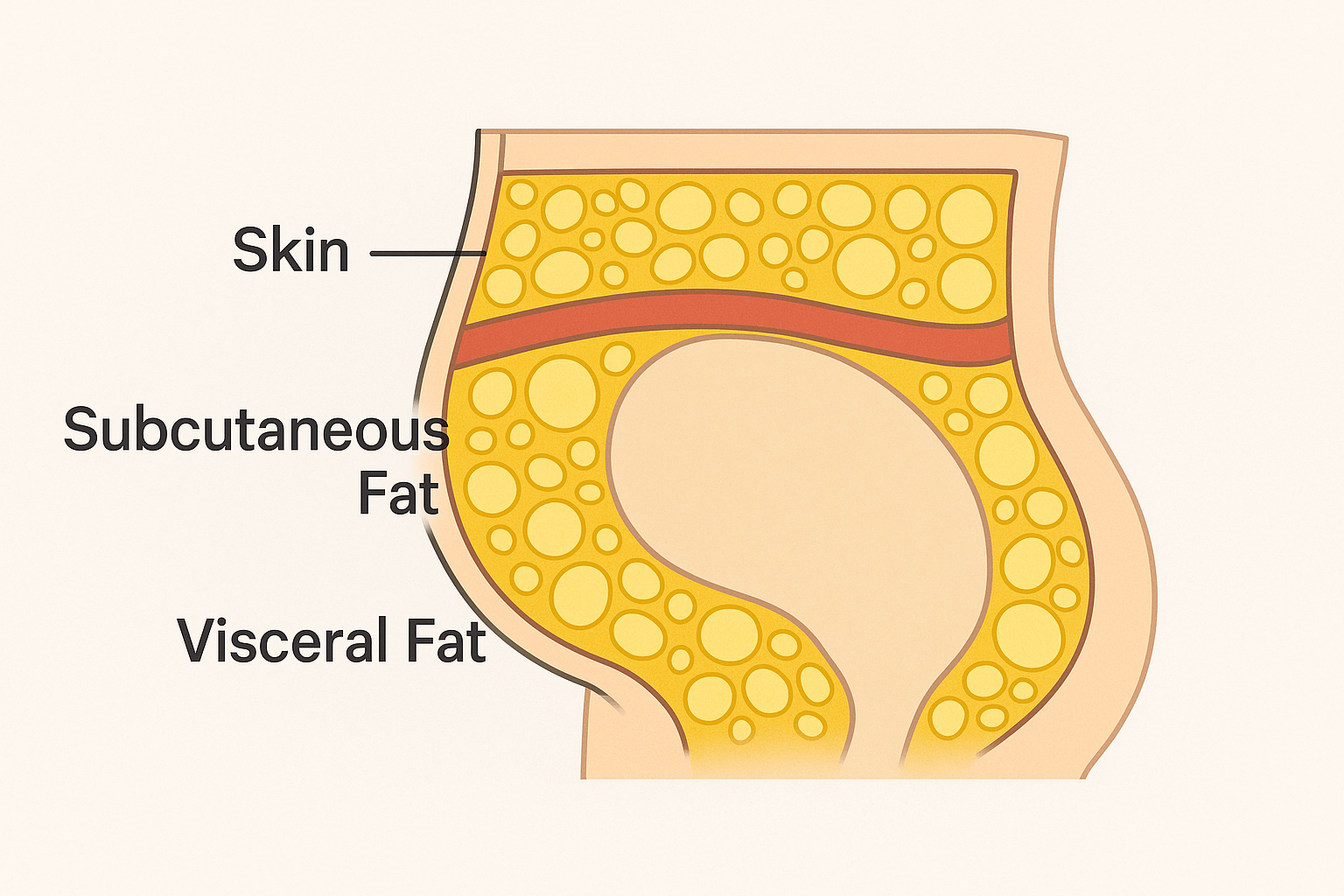
Before exploring what may help, it is essential to understand the type of fat we are talking about. Clients often assume lower belly fat is a single issue, but the abdomen contains several layers of tissue. Understanding these layers may help remove shame and clarify which strategies truly work.
Subcutaneous vs Visceral Fat
Subcutaneous fat sits just beneath the skin. It is soft and often what people refer to as “pinchable fat.” Visceral fat, however, is deeper and surrounds the internal organs. It can influence metabolic health and is linked to inflammation, insulin resistance, and cardiometabolic risk. Although visceral fat sits deeper, it can still make the lower belly appear more pronounced.
Visceral fat responds more quickly to lifestyle changes than subcutaneous fat. This means health improvements may occur internally even before visible changes appear. Although this can feel frustrating, it is also encouraging — progress often begins before you can see it.
Why the Lower Belly Feels Stubborn
The lower abdomen stores fat for several biological reasons. Genetics strongly influence fat distribution. Hormones, especially cortisol and insulin, also contribute. Women may naturally hold more fat in this region due to reproductive biology. Therefore, the lower belly is not a sign of failure — it reflects normal physiology combined with factors like stress, sleep, and nutrition.
Many quick-fix claims ignore these influences and suggest spot reduction. This leads us to one of the biggest myths.
The Biggest Myth: You Cannot Spot-Reduce Lower Belly Fat
If you have searched “How do I get rid of lower belly fat?” you have probably seen posts claiming crunches, planks, or special core workouts will melt fat from that area. Although strengthening these muscles is valuable, it does not selectively remove fat. Spot reduction has been disproven repeatedly in exercise science research.
What Core Exercises Actually Do
Core training helps by:
- Improving posture, which may reduce the appearance of abdominal protrusion.
- Strengthening deep abdominal muscles that support the spine.
- Enhancing movement efficiency during other exercises.
- Increasing muscular endurance and balance.
These benefits influence shape and function — not fat distribution. Although core work is helpful, it must be paired with full-body strategies and supportive lifestyle habits to create visible change.
So What Actually Reduces Lower Belly Fat?
No single food, workout, or supplement targets the lower abdomen. However, a combination of nutrition strategies, whole-body training, stress regulation, and consistent sleep may collectively support fat loss, including in the belly region.
A Sustainable Energy Deficit Still Matters
Fat loss occurs when you use more energy than you consume. The deficit must be gentle and sustainable. Aggressive diets may increase cortisol, reduce muscle mass, and sometimes encourage more belly fat storage.
A moderate deficit — usually 10–20% below maintenance — is more effective and kinder to the body.
Simple ways to support this include:
- Increasing fibre for fullness and blood sugar balance.
- Adding lean protein to maintain muscle mass.
- Choosing mostly whole foods while allowing flexibility.
- Reducing ultra-processed snacks that encourage overeating.
- Eating slowly to allow fullness signals to work.
Strength Training: The Underrated Foundation
Strength training builds muscle, and muscle requires more energy to maintain than fat. Increasing muscle mass may support metabolic health and long-term fat loss. Strength training also helps regulate hormones related to appetite, mood, and energy.
Effective strength training includes:
- Lower-body exercises such as squats, lunges, and hinges.
- Upper-body pushes and pulls.
- Full-body movements like carries or step-ups.
These exercises stimulate large muscle groups and support long-term change. Many people expect core exercises to create a flat stomach, but global strength work usually has the greater impact.
Why Posture Matters More Than You Think
Posture can influence how the abdomen looks. An anterior pelvic tilt — when the pelvis tips forward — may push the lower belly outward. Tight hip flexors, weak glutes, and an underactive core often contribute.
Habits that support posture include:
- Standing tall with ribs aligned over the pelvis.
- Strengthening glutes and hamstrings.
- Stretching hip flexors regularly.
- Engaging deep core muscles during movement.
Nutrition Strategies: What Science Really Supports
Nutrition is not about perfection; it is about patterns. When clients ask how to get rid of lower belly fat, I emphasise sustainable choices that support physiology and emotional wellbeing.
Prioritise Protein for Satiety and Muscle Support
Protein helps regulate appetite, maintain lean mass, and stabilise blood sugar. It is not a magic solution, but it may make fat loss easier. Aim for protein at each meal.
Fibre: The Unsung Hero
Fibre slows digestion, supports fullness, and benefits digestive health. It may help regulate blood sugar — helpful for managing central fat storage. Increase fibre gradually to avoid bloating.
Balancing Carbohydrates
Carbohydrates are not the enemy. Balanced carbohydrates support energy and prevent overeating later. Pair carbs with protein, fats, and fibre to stabilise blood sugar and support insulin resistance.
Healthy Fats for Hormonal Balance
Healthy fats support hormone balance and satiety. Include avocado, olive oil, nuts, seeds, and oily fish.
Hydration
Hydration supports digestion, appetite regulation, and overall comfort. Although water does not burn fat, it supports many behaviours that do.
Movement Beyond the Gym
Daily movement plays a major role in fat management. Long periods of sitting reduce energy expenditure and affect posture.
Non-Exercise Activity Thermogenesis (NEAT)
NEAT includes all the small movements you make during the day. Increasing NEAT is often one of the most effective strategies for fat loss.
- Take walking breaks.
- Use stairs.
- Stand during phone calls.
- Add short movement bursts throughout the day.
Stress and Cortisol
Chronic stress may increase appetite and encourage fat storage around the abdomen. Supporting nervous system regulation can be transformative. Learn more about cortisol and hormone balance.
Simple Stress-Regulating Strategies
- Deep breathing.
- Short outdoor walks.
- Reducing caffeine.
- Setting boundaries around screens and work.
- Engaging in restorative activities.
Sleep: The Often-Ignored Cornerstone
Sleep regulates hormones that influence hunger, fullness, and fat storage. Improving sleep often accelerates progress.
Supporting Better Sleep
- Keep consistent wake and sleep times.
- Limit screens before bed.
- Create a relaxing wind-down routine.
- Reduce caffeine in the afternoon.
Realistic Changes That Make the Biggest Difference
Fat loss is not about hacks. Real change comes from sustainable, repeatable habits.
1. Consistent Meals
Regular meals support blood sugar balance and reduce overeating.
2. Gradual Calorie Reduction
Small adjustments are far more effective than drastic restriction for sustainable fat reduction.
3. Progressive Strength Training
Building muscle shifts body composition even if weight remains stable. More on strength training here: Sports Nutritionist London.
4. Managing Stress
Daily stress-reducing habits are essential for hormonal balance.
5. Better Posture and Core Engagement
Small daily posture habits can support how the abdomen looks and feels.
Debunking Internet Lies
Lie 1: “This food burns belly fat.”
No food burns fat from a specific region.
Lie 2: “Do these exercises and your lower belly will shrink.”
Targeted exercises strengthen muscles but do not remove fat above them.
Lie 3: “Fat loss should be quick.”
Sustainable fat loss is slow — and that is normal.
Lie 4: “Your lower belly means you’re doing something wrong.”
It often reflects genetics, hormones, and normal human variation.
Gentle Body Image Support
Lower belly changes take time. Compassion, realistic expectations, and small habits create the most sustainable results. This is a core part of my holistic approach.
The Role of Digestive Health
Sometimes “lower belly fat” is partly bloating. Improving digestion may help the abdomen feel more comfortable. Learn more about gut health.
Reducing Bloating
- Eat slowly and chew thoroughly.
- Notice food triggers.
- Support gut motility with movement.
- Increase fibre gradually.
What Results Can You Expect?
Every body responds differently. Timelines vary and depend on genetics, hormones, stress, sleep, and consistency.
Typical Timelines
- Weeks 1–2: Better digestion and sleep.
- Weeks 3–6: Clothes feel more comfortable.
- Weeks 6–12: Visible shape changes for many clients.
- 3–6 months: Sustainable fat-loss and strength improvements.
When to Seek Support
If you feel stuck, personalised guidance may help uncover barriers such as hormones, gut issues, or lifestyle patterns. In clinic, I create plans that fit real life — not perfection.
You can also work with me through online nutrition consultations if you prefer flexibility.
Conclusion
Lower belly fat responds to overall lifestyle patterns, not targeted tricks. A gentle energy deficit, strength training, balanced nutrition, improved posture, stress reduction, and better sleep are the strategies that truly work. If you would like personalised support, I would be happy to guide you through a tailored plan.
Disclaimer
This article is for education only and does not replace personalised medical or nutritional advice. Always consult a qualified professional before making significant changes to your health routine.
Frequently Asked Questions About Lower Belly Fat
Can I target only my lower belly fat?
No. You cannot choose where your body loses fat. Lower belly fat responds to overall changes in nutrition, movement, sleep and stress, not to one specific exercise or “belly fat” workout.
Do core exercises flatten the lower belly?
Core exercises strengthen the muscles underneath, improve posture and support your spine. However, they do not directly burn fat from the lower belly. Visible changes come from full-body fat loss and muscle support.
What is the most effective way to reduce lower belly fat?
The most effective approach is a gentle and sustainable energy deficit, strength training, more daily movement, balanced nutrition and good sleep. Together, these support whole-body fat loss, including around the lower belly.
How long does it take to see changes in lower belly fat?
Everyone is different, but many people notice changes in how their clothes fit within 4 to 12 weeks when they follow a consistent plan. Deeper health changes often happen even sooner, before the mirror shows progress.
Could bloating be making my lower belly look bigger?
Yes. Bloating, posture and digestion can all affect how the lower belly looks and feels. Supporting gut health, eating slowly and identifying trigger foods can make a noticeable difference.
When should I speak to a Nutritionist about lower belly fat?
If you feel stuck, confused, or overwhelmed by conflicting advice, working with a Registered Nutritionist can help you understand the root causes and create a plan that fits your life. You can learn more about consultations here: Nutrition Consultations London.
Working with a Nutritionist
Book an appointment today if you feel like you need more assistance or direction to reach your goals.
Online consultation with a Nutritionist is available for clients who live outside the London area or who are unable to come to my London office. You can enjoy the online consultation from the comfort of your home or office and you will be given the same level of personal attention and care that you would experience coming to see the Nutritionist in person.
Please note, the links provided are Amazon affiliate links. If you buy something using these links, I will receive a small commission, at no additional cost to you. Rest assured that all products recommended have been personally used and endorsed by myself.







Leave a Reply
Want to join the discussion?Feel free to contribute!