
High-Protein Keto No-Bake New York Cheesecake (Easy Healthy Dessert Recipe)
As a Nutritionist in London, one of the most common challenges clients describe is managing sweet cravings while trying to maintain a healthy diet. Completely eliminating desserts rarely works long term. Restriction often leads to frustration and eventually overeating.
A more sustainable approach is to create desserts that include protein, healthy fats, and moderate sweetness. This combination helps stabilise blood sugar and makes desserts far more satisfying.
If you enjoy simple recipes like this, you may also like my no-bake collagen keto cheesecake, which uses similar ingredients to create a creamy, protein-rich dessert.
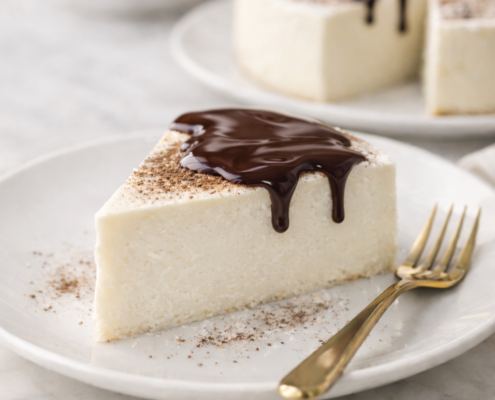
This high-protein keto no-bake New York cheesecake is a perfect example. It is creamy, indulgent, easy to prepare, and contains meaningful protein with minimal carbohydrates.
Quick Answer: Why High-Protein Desserts Can Support Balanced Eating
Most traditional desserts combine refined carbohydrates and sugar with very little protein. This combination often leads to rapid increases in blood sugar followed by an energy crash.
High-protein desserts can help mitigate this pattern because protein slows digestion and supports appetite regulation.
- Blood sugar rises more gradually
- Satiety hormones are stimulated
- Cravings after eating may decrease
- Energy levels remain more stable
For people focusing on appetite control or body composition, protein-rich desserts can complement broader strategies such as those discussed in my article on keto vs fasting vs high-protein diets for weight loss.
What Makes This Cheesecake Keto Friendly?
A ketogenic diet focuses on lowering carbohydrate intake while prioritising fats and moderate protein.
Traditional cheesecakes often contain biscuit bases and refined sugar, both of which significantly increase carbohydrate intake.
This recipe removes the crust entirely and replaces sugar with erythritol or xylitol, making it naturally lower in carbohydrates while still maintaining a rich flavour.
Key Keto Features
- No biscuit or graham cracker base
- No refined sugar
- Low-glycaemic sweeteners
- Higher fat content from dairy ingredients
- Minimal carbohydrates overall
The Role of Protein in Satiety and Craving Control
Protein is one of the most important macronutrients for appetite regulation. It helps slow digestion and influences hormones involved in hunger and fullness.
- Supports satiety hormones
- Reduces the hunger hormone ghrelin
- Slows gastric emptying
- Supports muscle maintenance
Including protein in snacks and desserts can therefore help reduce the urge to keep eating after a sweet treat.
If you enjoy higher-protein desserts, you may also like these no-bake protein brownies, which are another simple recipe designed to provide more balanced energy.
The Role of Collagen in This Recipe
One ingredient that increases the nutritional value of this cheesecake is collagen powder. Collagen is the most abundant protein in the human body and contributes to connective tissues including skin, joints, tendons and ligaments.
Including collagen in recipes is an easy way to increase protein intake while supporting structural proteins that contribute to skin elasticity and connective tissue health.
For another collagen-based treat, you might also enjoy these healthy collagen peanut butter cups, which combine protein with healthy fats for a satisfying snack.
You can receive 15% off OSSA collagen using the code MILENAKALER15.
High-Protein Keto No-Bake Cheesecake Recipe
Ingredients
- 300 g full-fat cream cheese
- 250 g thick Greek yogurt
- 20 g collagen powder
- 60–80 g erythritol or xylitol
- 1 teaspoon vanilla extract
- 150 ml double cream
Optional topping:
- Melted dark chocolate
- Cocoa powder
Method
Step 1
Whip the double cream until soft peaks form.
Step 2
In another bowl combine cream cheese, Greek yogurt, collagen powder, sweetener and vanilla extract. Mix until smooth.
Step 3
Fold the whipped cream into the cheesecake mixture.
Step 4
Transfer the mixture into a lined cake tin and smooth the surface.
Step 5
Refrigerate for 4–6 hours or overnight until set.
Step 6
Top with melted dark chocolate or cocoa powder before serving.
Approximate Nutritional Values
- Protein: 11–13 g
- Fat: ~16 g
- Carbohydrates: ~3–4 g
- Calories: ~190 kcal
When High-Protein Desserts Can Be Especially Useful
- After dinner when sweet cravings appear
- As a balanced afternoon snack
- After exercise when protein supports recovery
- As a healthier alternative for celebrations
Higher-protein snacks can be particularly helpful during hormonal transitions, when appetite regulation can change. I discuss this further in my guide to high-protein snacks during menopause.
FAQ
Is cheesecake compatible with a ketogenic diet?
Yes, it can be. When sugar is replaced with low-glycaemic sweeteners and the biscuit crust is removed, cheesecake can become significantly lower in carbohydrates and fit more easily into a ketogenic diet.
Why add protein to desserts?
Protein slows digestion, stabilises blood sugar levels and increases satiety. This can reduce cravings and make desserts more satisfying.
Can high-protein desserts support weight management?
They can help increase satiety and reduce overeating, although overall diet quality, lifestyle habits and consistency remain the most important factors.
Does collagen affect the taste of cheesecake?
Most hydrolysed collagen powders are neutral in flavour and dissolve easily, which means they typically do not alter the taste of the dessert.
How long should no-bake cheesecake set?
It should chill in the refrigerator for at least 4–6 hours, although overnight chilling produces the best texture.

