
Clear, Glowing Skin: What to Eat, Why It Works, and What to Do Next
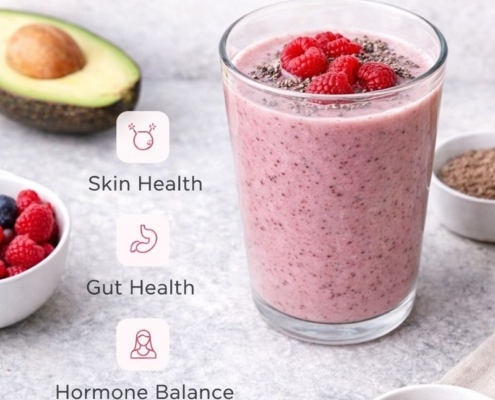
This matters because the skin responds to internal signals. When nutrition supports these systems together, the skin barrier strengthens, inflammation reduces, and skin clarity often improves naturally. This is especially important during key life moments, such as weddings or milestones, where timing and consistency matter — something I explore further in my guide to nutrition strategies for achieving a natural bridal glow.
Practical starting point: focus on consistent meals that contain protein, fibre, and healthy fats. The recipe and strategies below are designed to support multiple skin pathways at once.
Quick Answer: What Improves Skin Health Most Effectively?
- Stabilising blood sugar with balanced meals
- Supporting digestion and regular bowel movements
- Reducing chronic inflammation through food choices
- Meeting protein needs for collagen and repair
- Including healthy fats to support the skin barrier
Root Causes: Why Skin Breaks Out or Looks Dull
Skin concerns rarely have a single cause. In practice, I see overlapping drivers that interact with each other.
Cause → Mechanism → What You Might Notice
- Blood sugar swings → increased insulin and inflammation → breakouts, oily skin, cravings
- Gut imbalance → immune activation and poor nutrient absorption → redness, sensitivity, bloating
- Hormonal disruption → altered androgen or oestrogen signalling → jawline acne, cyclical flares
- Chronic inflammation → oxidative stress and barrier disruption → dullness, slow healing
- Low protein or fat intake → impaired repair → dryness, poor texture
Inflammation is a particularly common thread. I explain this connection in detail in my article on how nutrition can reduce chronic inflammation naturally, as many persistent skin conditions share this underlying mechanism.
What a Skin Nutritionist Assesses First
Rather than focusing on symptoms alone, I look for patterns and relationships between systems. This whole-body approach underpins my work as a skin nutrition specialist.
Key questions I explore in clinic
- Do skin flares follow your menstrual cycle or periods of stress?
- Are digestive symptoms present alongside skin changes?
- Are meals skipped or heavily carbohydrate-based?
- Is protein intake consistent earlier in the day?
- Does poor sleep or overtraining worsen skin?
A Skin-Supporting Meal You Can Repeat
This smoothie is a practical example of how everyday meals can support skin health, digestion, blood sugar balance, and hormone metabolism simultaneously.
Glow-Supporting Berry & Avocado Smoothie
Ingredients
- 1 cup mixed berries (fresh or frozen)
- ½ ripe avocado
- 1 scoop high-quality protein powder (optional but beneficial)
- 1 tablespoon ground flaxseed or chia seeds
- 1 cup unsweetened almond milk or alternative
- Optional: a handful of spinach or kale
Method
- Add all ingredients to a blender.
- Blend until smooth.
- Adjust liquid to preferred consistency.
- Consume soon after preparation.
How Each Ingredient Supports Skin Function
- Berries: antioxidants that reduce oxidative stress
- Avocado: monounsaturated fats that support hydration and barrier integrity
- Protein: amino acids required for collagen production and repair
- Flax or chia: fibre and omega-3 fats supporting gut and hormone balance
- Leafy greens: micronutrients involved in skin renewal
Protein, Collagen, and Skin Repair
Protein intake is often underestimated in skin health. Without adequate protein, collagen synthesis and skin repair are compromised.
Skin-supportive snack ideas that help increase protein include collagen-rich peanut butter cups and no-bake protein brownies, which many clients find easy to include consistently.
Blood Sugar Balance and Breakouts
Blood sugar fluctuations can worsen acne and inflammatory skin conditions by increasing insulin and inflammatory signalling.
If this resonates, my guide to balanced blood sugar and overall wellness explains how glucose regulation affects skin, energy, cravings, and hormones together.
Balanced snack examples include chocolate peanut butter banana bites and protein vanilla peanut butter bites.
Skin, Gut Health, and Hormones Are Connected
Many inflammatory skin concerns improve when digestion and hormone metabolism are supported.
This often overlaps with work delivered through my gut health nutrition services or hormone-focused approaches such as my hormone health nutrition support.
Supporting Skin Through Different Life Stages
- Hormonal acne and PCOS-related breakouts
- Thyroid-related dryness and skin changes
- Perimenopause and menopause-related skin thinning
Depending on symptoms, support may involve working with a PCOS nutrition specialist, a thyroid nutritionist, or a menopause nutritionist.
Skin Health, Inflammation, and Body Composition
Inflammation, insulin resistance, and skin health are closely linked. In some cases, skin improvements occur alongside changes in body composition when nutrition supports metabolic health.
This overlap is explored further in my science-based guide to foods that support fat loss while preserving metabolic balance, as many of the same principles benefit skin health.
Supplements and Skin Health
Supplements can be helpful when there is a clear need, but they work best when food foundations and digestion are already supported.
I personally use and recommend OSSA supplements when appropriate as part of a skin-supportive routine.
Use code MILENAKALER15 for an exclusive OSSA discount.
Consistency Over Perfection
Skin responds best to consistent nourishment rather than restrictive or short-term approaches. Regular meals, adequate protein, healthy fats, and digestive support create far better long-term results.
This reflects my wider work as a holistic nutritionist, where sustainable habits drive lasting change.
When Personalised Support Helps Most
If skin concerns persist despite healthy eating and skincare, personalised assessment can uncover contributing factors that are often missed.
You can explore working together through a 1:1 nutrition consultation, either in person or via my online nutritionist service.
Key Takeaway
Clear, glowing skin reflects internal balance. Nutrition, digestion, hormones, and lifestyle patterns all interact to influence skin health. Supporting these systems together creates results that skincare alone cannot achieve.
This article is for educational purposes and does not replace personalised medical or nutritional advice.

