
Why Am I Always Hungry in a Calorie Deficit? Causes and Solutions
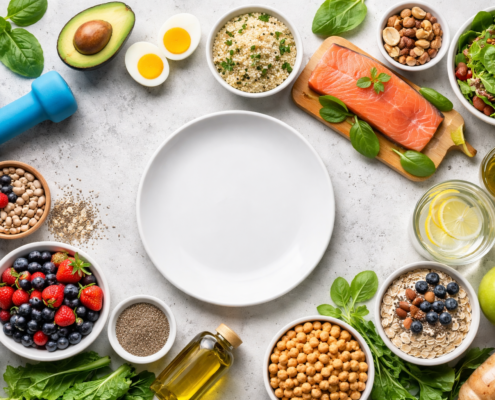
Key reasons hunger happens in a calorie deficit
People feel hungry during a calorie deficit because the body responds to reduced energy intake by increasing hunger hormones and reducing fullness signals. If the calorie deficit is too large, meals lack protein or fibre, sleep is poor, or stress is high, hunger can become constant rather than manageable.
- Aggressive calorie restriction increases hunger hormones
- Low protein meals reduce satiety
- Low fibre diets digest quickly
- Poor sleep disrupts appetite regulation
- Stress can increase reward-driven eating
Expert explanation
If you feel hungry all the time while dieting, it often means the calorie deficit is too large or meals are not structured to support satiety. Adequate protein, fibre-rich foods, stable meal timing, good sleep and stress management all play important roles in appetite regulation during fat loss.
- Aggressive calorie deficits increase ghrelin, the hunger hormone
- Low protein intake weakens satiety signals
- Low fibre meals digest quickly
- Sleep deprivation increases cravings
- Chronic stress increases appetite and reward-driven eating
A well-structured fat loss plan should reduce body fat while still feeling physically and psychologically manageable.
Quick overview
- Why hunger increases during a calorie deficit
- The most common dieting mistakes that increase hunger
- The role of protein, fibre, sleep and stress
- Hormonal influences on appetite
- How to reduce hunger during fat loss
- When personalised nutrition support may help
If you are always hungry in a calorie deficit, the issue is rarely a lack of discipline. In many cases the fat-loss strategy simply needs refining.
Persistent hunger during dieting is commonly linked to overly aggressive calorie restriction, insufficient protein intake, low fibre meals, poor sleep, elevated stress levels, hormonal influences, or rigid food rules.
As a London nutritionist, this is one of the most frequent concerns I see in practice. Many people assume hunger means the diet is working, but constant hunger often predicts poor adherence and eventual rebound eating.
If you’re unsure whether your calorie intake is appropriate, understanding how many calories you should eat to lose weight can help provide a clearer framework before increasing restriction further.
The science behind hunger in a calorie deficit
When calorie intake drops below energy needs, the body activates biological responses designed to protect energy balance.
- Ghrelin increases, stimulating hunger
- Leptin decreases as body fat declines
- Food becomes more rewarding
- Energy expenditure may decrease slightly
These responses are normal physiological adaptations rather than signs of poor discipline.
Common reasons you feel hungry all the time
1. The calorie deficit is too aggressive
Large calorie deficits often increase hunger, fatigue and cravings. Although aggressive dieting may promise faster fat loss, it frequently leads to poorer adherence.
Evidence consistently shows that rapid fat loss strategies need to be structured carefully to avoid excessive hunger, muscle loss and rebound weight gain.
Moderate deficits usually produce more sustainable results when guided by a weight loss specialist.
2. Protein intake may be too low
Protein plays a major role in satiety and muscle preservation. Meals that lack adequate protein often leave people hungry soon after eating.
This is particularly important for active individuals or those exercising regularly with support from a sports nutritionist.
3. Meals may lack fibre and food volume
Fibre-rich foods slow digestion and increase fullness. Vegetables, legumes, fruit, oats and whole grains often improve satiety compared with small portions of ultra-processed foods.
4. Poor sleep increases appetite
Sleep deprivation can increase hunger hormones and cravings for energy-dense foods. Appetite regulation often improves significantly when sleep quality is prioritised.
Sleep, stress and hormonal balance are deeply connected, which is why understanding the relationship between stress, sleep, hormones and nutrition can be crucial when addressing persistent hunger.
This is why broader lifestyle factors are addressed alongside diet with support from a holistic nutritionist.
5. Stress can increase cravings
Chronic stress increases cortisol levels and reward-driven eating behaviour. Many people interpret this as hunger when part of the drive to eat is psychological.
6. Hormonal influences
Hormones influence appetite regulation and fat-loss tolerance. Conditions such as PCOS, thyroid dysfunction and menopause can affect hunger signals.
For example, emerging research highlights the connection between digestive health and hormonal regulation, particularly in women with PCOS. A deeper explanation can be found in this guide on how gut health impacts PCOS.
Support from a hormone health nutritionist may help create a more personalised strategy.
How to reduce hunger during fat loss
- Use a moderate calorie deficit
- Include protein with each meal
- Increase fibre intake
- Eat higher-volume whole foods
- Maintain consistent meal timing
- Improve sleep quality
- Reduce chronic stress
- Avoid overly restrictive food rules
Many people find hunger improves dramatically once these foundations are optimised through personalised nutrition consultations.
Do carbohydrates influence hunger?
Refined carbohydrates digest quickly and may cause hunger to return sooner. Whole-food carbohydrate sources such as oats, fruit, legumes and whole grains usually support better satiety.
Can gut health affect appetite?
Digestive comfort and food tolerance influence how satisfying meals feel. Individuals with digestive symptoms may struggle with satiety.
Inflammation within the body can also influence metabolic health and appetite regulation. If you want to understand the broader picture, this guide explains how nutrition helps reduce chronic inflammation.
Where digestive issues are present, support from a gut health nutritionist may help personalise dietary strategy.
Hormonal factors that affect hunger
Skin health and dieting stress
Some people notice skin changes during restrictive dieting due to hormonal shifts and stress. In these situations, guidance from a skin nutritionist may also be helpful.
When broader health conditions affect appetite
Persistent appetite changes can sometimes occur alongside inflammatory or immune-related conditions. In these cases, working with an autoimmune disease nutritionist may provide additional support.
The internal linking strategy that strengthens this article
One of the most effective internal linking techniques for 2026 SEO is to add a short, contextually relevant hub section near the lower-middle of the article rather than only linking within the introduction or footer. This helps search engines understand that the page sits inside a broader expert topic cluster, while also passing relevance naturally to your main commercial pages.
For this topic, the most strategic approach is to use a small related-support section that connects appetite regulation, weight loss, hormones, digestion and online support in one semantically coherent area. This improves crawl pathways, reinforces entity relationships, and helps strengthen your wider nutrition service cluster across the blog.
If calorie deficit hunger is happening alongside digestive discomfort, hormonal fluctuations, body composition goals, or a need for flexible remote guidance, it often makes sense to explore targeted support in those connected areas rather than treating hunger as an isolated problem.
When to seek personalised support
If hunger becomes intrusive or emotionally distressing, personalised guidance may help. Support can be provided through in-person consultations or remotely with an online nutritionist.
Structured expert conclusion
From a clinical nutrition perspective, persistent hunger in a calorie deficit is usually a strategy problem, not a motivation problem. When the body is underfed too aggressively, sleep is poor, stress is high, protein intake is inadequate, or hormones and digestion are not being taken into account, appetite regulation becomes much harder.
In practice, the most successful fat-loss plans are rarely the most restrictive. They are the ones that balance physiological satiety, realistic structure, and long-term adherence. That is why sustainable progress usually comes from refining the deficit, improving meal composition, and addressing the wider drivers of hunger rather than simply eating less.
As Milena Kaler, Registered Nutritionist, my view is that effective fat loss should feel structured, informed, and realistic. If hunger feels constant, intrusive, or emotionally draining, it is often a sign that the plan needs to become more personalised.
- Review the size of the calorie deficit
- Check protein, fibre and meal volume
- Address sleep and stress before cutting calories further
- Consider hormonal and digestive contributors
- Use personalised support when self-guided dieting stops feeling sustainable
Summary
- Hunger is a natural biological response to calorie restriction
- Aggressive deficits increase cravings and fatigue
- Protein, fibre, sleep and stress influence appetite
- Hormonal and digestive factors can affect dieting tolerance
- Sustainable fat loss focuses on consistency rather than extreme restriction
Key takeaway: Persistent hunger usually signals the need to adjust the strategy rather than push harder.
Frequently Asked Questions
Why am I always hungry in a calorie deficit?
This usually occurs when the calorie deficit is too large or meals lack sufficient protein, fibre or volume.
Does hunger mean fat loss is working?
No. Mild hunger can occur during fat loss, but excessive hunger often indicates the calorie deficit is too aggressive.
How can I reduce hunger while dieting?
Focus on protein-rich meals, fibre-dense foods, moderate calorie restriction, good sleep and consistent meal timing.
Can hormones influence hunger?
Yes. PCOS, thyroid disorders and menopause can affect appetite regulation.
Can stress make me feel hungry?
Stress can increase cravings and reward-driven eating behaviour.
Does gut health affect satiety?
Digestive comfort and food tolerance can influence how satisfying meals feel.
Disclaimer
This article is for educational purposes only and does not replace personalised medical advice.

