
Why Do I Always Fall Off My Diet on Weekends?
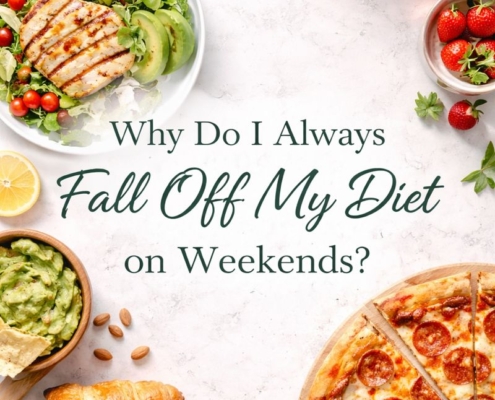
If you eat “well†during the week but feel out of control around food on weekends, the pattern reflects how your body and nervous system are responding to weekday dieting, not a lack of discipline.
As a Nutritionist in London, this is one of the most common frustrations I see in practice. Once the underlying drivers are understood, the behaviour makes sense — and becomes solvable.
Quick Answer: Why Diets Fall Apart on Weekends
Most people fall off their diet on weekends because:
- Weekday eating is too restrictive for their physiology
- Hunger and stress hormones rebound after the workweek
- Daily structure and routine disappear
- Food becomes a psychological reward
- Blood sugar becomes unstable
When these factors combine, overeating is not a failure. It is a compensatory response.
You Are Not Alone: The Weekend Diet Pattern
Across lifestyles and professions, the same pattern appears:
- Controlled eating Monday to Friday
- Looser routines and more social eating on weekends
- Episodes of overeating or binge-like behaviour
- Guilt, shame, and restarting on Monday
Many people reach this stage before exploring working with a nutritionist, often after years of trying to solve the problem alone.
Reason 1: Weekday Restriction Triggers Biological Rebound
Energy Restriction Increases Hunger
When weekday intake is too low, the body responds defensively. Hunger increases, fullness cues weaken, and food becomes harder to regulate.
In practice, this often shows up in people who believe they are eating “healthily,†but not necessarily eating in a way that supports their individual needs.
- Insufficient protein
- Low carbohydrate relative to activity
- Avoidance of dietary fat
- Long gaps between meals
Weekend overeating is the body restoring balance — not a lack of control.
The Restriction–Rebound Cycle
Repeated restriction followed by overeating reinforces a cycle that can lead to:
- Blunted hunger and fullness cues
- Increased food preoccupation
- Lower trust in the body
- More extreme swings in eating behaviour
Reason 2: Loss of Structure Increases Overeating
Weekdays provide built-in structure through work schedules and routine meals.
On weekends, this structure disappears. Meals are delayed or skipped, and food decisions increase.
When every eating choice requires thought, regulation drops. Gentle structure — not rigidity — helps restore balance.
Reason 3: Food Becomes a Psychological Reward
The “I Deserve It†Effect
After a demanding week, food often becomes associated with relief and reward.
This pattern is closely linked to how stress, sleep, and hormones interact — explored in more depth in this guide to stress, sleep, and hormonal balance.
Stress and Appetite
Stress affects appetite regulation. When the nervous system is exhausted, cravings increase and decision-making around food becomes harder.
Weekend overeating is often driven by stress rather than true hunger.
Reason 4: Social Eating and Alcohol
Weekends are social by nature. Meals out, shared food, and alcohol are more common.
Alcohol lowers inhibition, increases appetite, and can disrupt appetite regulation the following day.
This is particularly relevant during warmer months or hormonal transitions, as explained in this nutritionist’s guide to alcohol, heat, and hormonal balance.
Reason 5: Blood Sugar Instability
Long gaps between meals can trigger intense hunger and cravings.
From a functional nutrition perspective, stabilising blood sugar involves:
- Regular meals with protein, fat, and fibre
- Avoiding prolonged fasting unless appropriate
- Reducing reliance on ultra-processed foods
Diet Mentality vs Sustainable Nutrition
Diets rely on strict rules. When rules relax, behaviour rebounds.
Sustainable nutrition focuses instead on:
- Consistency rather than perfection
- Physiological needs rather than calorie targets
- Patterns over time rather than single days
This is why personalised nutrition consultations often succeed where dieting fails.
What Actually Works: A Clinical Nutrition Approach
Eat Enough During the Week
Undereating Monday to Friday almost always leads to overeating later.
Add Gentle Weekend Structure
Planned meals and snacks reduce impulsive eating without rigidity.
Remove Moral Language Around Food
Neutral food language improves regulation and reduces guilt-driven cycles.
Support the Nervous System
Sleep, rest, and stress management matter as much as food choices.
Focus on Weekly Patterns
Progress is determined by averages, not isolated meals.
Why Willpower Is Not the Solution
Willpower is finite. Biology is not.
Eating behaviour is driven by physiology, environment, and habits — not motivation alone.
When to Seek Professional Support
If weekend overeating feels distressing, repetitive, or hard to manage alone, personalised guidance can help.
For those considering support but unsure where to start, this guide on how to choose the right nutritionist can help clarify what to look for.
Working with an experienced holistic nutritionist allows strategies to be tailored to your physiology, lifestyle, and history.
Frequently Asked Questions
Why do I fall off my diet on weekends?
Most people fall off their diet on weekends because weekday restriction, stress, and loss of routine increase hunger and cravings. It’s a normal response, not a willpower issue.
Why do I only overeat on Saturdays and Sundays?
Weekends remove structure, increase social eating, and often involve alcohol. Combined with weekday restriction, this makes overeating more likely.
Is weekend overeating a binge eating disorder?
Not usually. In many cases, it reflects restriction and routine changes rather than a clinical eating disorder.
Should I eat differently on weekends?
Most people do better with similar eating patterns across the week. Regular meals help more than cheat days.
Why does dieting make weekends harder?
Dieting increases hunger and food focus. When rules relax, the body pushes you to eat more.
Can I stop weekend overeating without dieting?
Yes. Eating enough, stabilising blood sugar, and reducing stress often improve weekend eating without dieting.
Does alcohol make weekend overeating worse?
Alcohol lowers inhibition and increases appetite. It can also affect blood sugar and cravings the next day.
When should I get help from a nutritionist?
If weekend overeating feels distressing or hard to manage alone, personalised nutrition support can help.
Final Thoughts
Falling off your diet on weekends does not mean you are broken.
It means your body is responding logically to restriction, stress, and modern food environments.
With the right approach, it is entirely possible to eat well during the week and enjoy weekends without guilt or chaos.
Disclaimer
This article is for educational purposes only and does not replace personalised medical or nutritional advice.

