
High-Protein Snacks for Menopause: What to Eat & Why It Helps
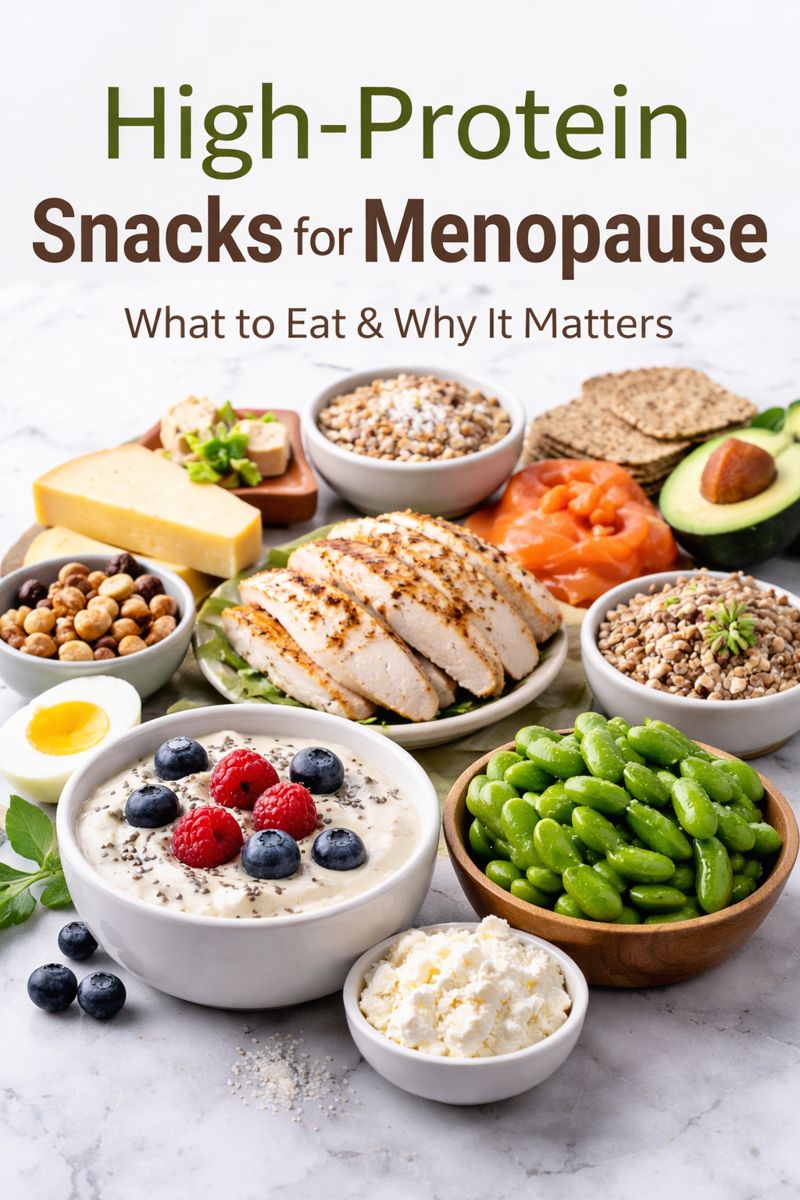
For many women I support as a nutritionist in London, simple changes to snack choices help reduce energy crashes, improve strength, and make daily eating feel more stable and predictable. This ties directly into broader strategies for metabolism during menopause, like those covered in menopause metabolism nutrition strategies.
The drivers behind this need are declining oestrogen, age-related muscle loss, and blood sugar shifts. The solution is not extreme dieting, but consistent protein intake and realistic lifestyle support, a theme reinforced in my article on my top 3 tips to manage menopause.
Why Protein Becomes More Important During Menopause
During perimenopause and menopause, falling oestrogen levels influence body composition, muscle turnover, and insulin sensitivity. This makes women more vulnerable to muscle loss, abdominal fat gain, and fluctuating energy.
Protein supports menopause health by:
- Preserving lean muscle mass
- Supporting metabolic rate
- Improving satiety and appetite regulation
- Reducing blood sugar swings
- Supporting bone health when paired with resistance exercise
These effects are particularly relevant for women seeking structured support through personalised nutrition consultations, where protein timing often becomes a key focus.
Why Snacks Matter — Not Just Meals
Many women prioritise protein at lunch and dinner but unintentionally under-eat it earlier in the day. Long gaps without protein can increase cravings, fatigue, and reliance on refined carbohydrates later on.
Protein-containing snacks help to:
- Maintain steady energy between meals
- Reduce overeating in the evening
- Support muscle protein synthesis throughout the day
- Make daily protein targets more achievable
This approach is especially useful for women managing menopause alongside busy schedules or remote work, including those working with an online nutritionist.
High-Protein Snack Targets During Menopause
While individual needs vary, many women benefit from aiming for 10–20 g of protein per snack. This range supports satiety and muscle maintenance without feeling heavy or disruptive to appetite.
10 High-Protein Snack Ideas for Menopause
Greek Yoghurt (150 g)
Protein: 15–17 g
Greek yoghurt supports muscle and bone health; pair with berries or seeds for fibre.
Cottage Cheese (150 g)
Protein: 16–18 g
Cottage cheese provides slow-digesting protein that supports fullness and steadier blood sugar.
Boiled Eggs (2 medium)
Protein: 12–14 g
Eggs contain complete protein and are easy to prepare in advance.
Smoked Salmon (75 g)
Protein: 15–17 g
Smoked salmon provides omega-3 fats alongside protein, supporting cardiovascular and metabolic health.
Chicken Breast (100 g cooked)
Protein: ~30 g
A highly effective option for preserving lean mass, often used in structured plans from a weight loss specialist.
Tofu (100 g)
Protein: 12–15 g
Tofu is a plant-based protein source and contains phytoestrogens, which may be helpful for some women.
Edamame Beans (100 g)
Protein: ~11 g
Edamame provides fibre and protein, supporting digestion and blood sugar balance — relevant for those working with a gut health nutritionist.
Tuna (100 g drained)
Protein: 24–26 g
A convenient, high-protein option that pairs well with healthy fats.
Hard Cheese (30 g)
Protein: 7–8 g
Hard cheeses contribute calcium intake, supporting bone health.
Lentils (150 g cooked)
Protein: 13–14 g
Lentils provide plant protein and fibre, supporting appetite regulation and steadier energy.
Protein, Hormones, and Body Composition
Protein intake during menopause interacts closely with hormonal health. Supporting stable blood sugar and muscle mass can reduce stress on the endocrine system — an approach commonly used by a hormone health nutritionist.
Because muscle tissue is metabolically active, preserving it plays a key role in fat regulation during menopause. This is why protein-rich snacks often complement evidence-based approaches discussed in my guide to science-backed foods that support fat loss, rather than relying on calorie restriction alone.
For women with conditions such as PCOS or thyroid dysfunction, protein distribution becomes even more relevant for symptom management and energy regulation.
Protein and Strength Training During Menopause
Protein works best when combined with resistance training. Together, they support muscle repair, mobility, and metabolic health — benefits outlined in my in-depth piece on the benefits of weight training for women. This also mirrors the approach many active women take with guidance from a sports nutritionist, even outside competitive sport.
Common Mistakes I See in Practice
- Relying solely on low-protein snacks like fruit or crackers
- Skipping snacks and becoming overly hungry later
- Assuming protein is only important for athletes
- Trying to consume most protein in one large meal
Clinical Insight From Practice
In practice, many women tell me they are “eating well†yet feel tired, weaker, or frustrated by body composition changes. A consistent pattern is low protein intake earlier in the day, followed by reactive snacking later on.
When protein is distributed more evenly across meals and snacks, clients often report steadier energy, improved exercise recovery, fewer cravings, and more confidence around food choices. This aligns with a holistic nutritionist approach that prioritises sustainability over rigid rules.
When to Seek Individual Support
If menopause symptoms persist despite dietary adjustments — including skin changes, joint pain, or digestive issues — tailored support may help. Some women benefit from guidance from a skin-focused nutritionist, while others prefer menopause-specific guidance from a menopause nutrition specialist.
Frequently Asked Questions
How much protein should women eat during menopause?
Most women benefit from including protein at every meal and aiming for 10–20 g of protein at snack times.
Is spreading protein across the day better than eating it all at once?
Yes. Even distribution supports muscle maintenance, energy stability, and appetite regulation.
Can protein help with menopause-related weight changes?
Protein supports muscle mass and satiety, which can indirectly support healthier body composition when paired with consistent lifestyle habits.
Are plant-based proteins effective during menopause?
Yes. Plant-based proteins such as tofu, lentils, and edamame can contribute meaningfully when consumed in adequate portions.
Do protein snacks help with energy crashes?
Often, yes. Including protein at snack times can reduce blood sugar fluctuations that commonly drive fatigue and cravings.
Do I need protein supplements during menopause?
Most women can meet protein needs through food. Supplements can be useful in specific situations, but they are not essential for everyone.
Final Thoughts
Menopause is a period of changing nutritional needs, not failure or decline. High-protein snacks offer a practical way to support muscle, metabolism, energy, and appetite without extremes.
Consistency, not perfection, is what delivers results.

