
Why am I not losing weight even though I’m eating healthy?
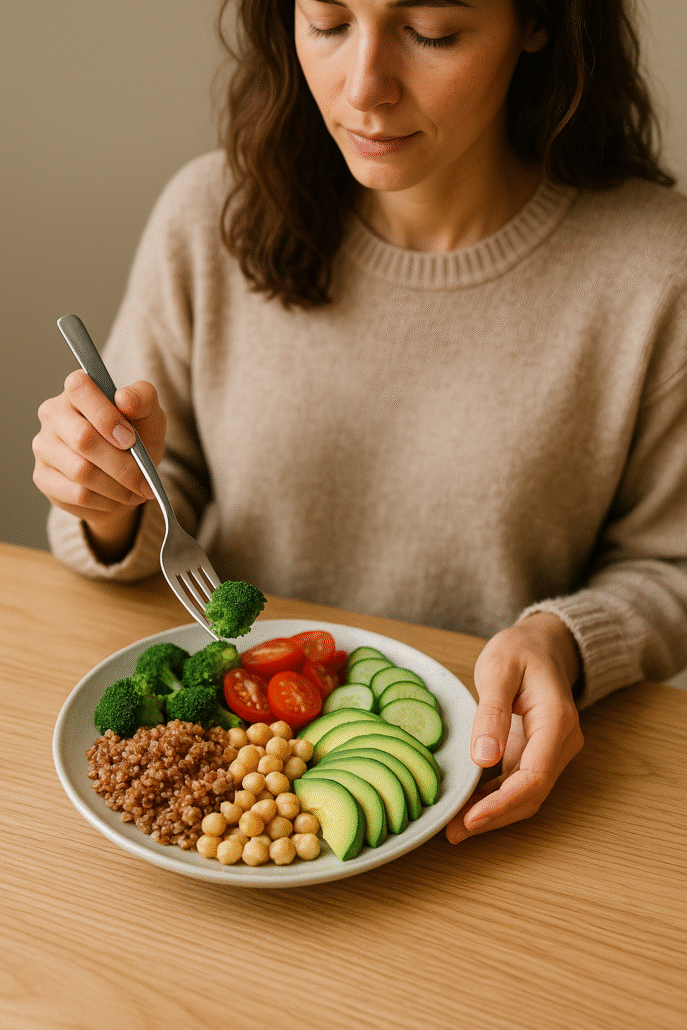
“Why am I not losing weight even though I’m eating healthy?” is one of the questions I hear most often as a nutritionist in London working with clients who feel stuck despite doing their best. You’re choosing whole foods, cutting back on sugar, moving more — yet the scales refuse to budge. It can feel frustrating and confusing, but there are clear, evidence-based explanations that have nothing to do with willpower or failure. In this article, I’ll walk you through seven key reasons why weight loss may stall even when your diet appears “healthy,” and how to adjust your approach with compassion, clarity, and science.
1. Hidden Calories in “Healthy” Foods
Many of my clients are surprised to learn how easy it is to underestimate calories in otherwise nutritious meals. Foods like avocado, nuts, olive oil, granola, and hummus offer essential nutrients and heart-healthy fats — but they’re also energy-dense. A tablespoon of olive oil adds around 120 kcal, while a small handful of nuts can reach 200 kcal quickly. These calories add up without any visual cue of large portion size.
How hidden calories sneak in
- “Healthy” cooking oils: Drizzling olive oil or nut butter freely can double meal calories.
- Granola and smoothies: Often marketed as wholesome, yet portion sizes are typically much smaller than what we pour.
- Restaurant salads: Dressings, cheese, and croutons often contribute more calories than the vegetables themselves.
Being mindful doesn’t mean cutting these foods — it means measuring, balancing, and understanding how easily they can tip the scale. In my clinic, I often recommend clients try a short period of food tracking for awareness rather than restriction. Awareness alone can transform results.
2. Portion Sizes Have Quietly Grown
Modern plates are larger, serving sizes more generous, and our eyes have adapted. Visual cues strongly influence how much we eat. When portions are bigger, we tend to eat more without noticing. Over time, this silent creep in serving size can prevent fat loss despite healthy choices.
Practical ways to recalibrate your portions
- Downsize your plate: Use smaller crockery; it genuinely helps the brain perceive “enough.”
- Serve meals in the kitchen: Instead of eating family-style, portion before sitting down.
- Follow the “plate method”: Half vegetables, one quarter lean protein, one quarter complex carbohydrates.
Portion awareness isn’t about deprivation. It’s about aligning intake with your body’s actual needs, especially when your metabolism adjusts to a healthier diet and a slower, more sustainable rate of weight loss.
3. Liquid Calories Add Up Faster Than You Think
Even the most nutrient-dense drinks can stall weight loss. Smoothies, coffees, juices, and even “healthy” kombuchas or coconut water can contribute several hundred unnoticed calories a day. Unlike solid food, liquids bypass many satiety signals — meaning they rarely make us feel full.
Common culprits I see in clinic
- Coffee shop beverages: A flat white with whole milk can contain over 180 kcal — more with syrups or cream.
- Freshly pressed juices: One glass may contain the sugar of several pieces of fruit but none of the fibre.
- Protein smoothies: Excellent post-exercise but can overshoot energy needs if meals remain unchanged.
If you enjoy these beverages, simply account for them — or swap for herbal teas, black coffee, or water infused with fruit for flavour. Every calorie counts toward your total intake, whether you chew it or sip it.
4. “Weekend Calories” and Inconsistent Routines
Another hidden reason weight loss may stall is the weekend effect. Many of us eat well during the week, only to relax routines on Fridays and weekends. Over a few days, additional snacks, alcohol, or takeaway meals can offset the calorie deficit created during the week. It’s easy to underestimate this impact — two glasses of wine and a shared dessert can exceed 500 kcal.
How to balance enjoyment and progress
- Plan one indulgent meal instead of several spontaneous ones.
- Keep structure even on weekends — have breakfast and balanced meals instead of grazing all day.
- Stay mindful with alcohol: each gram of alcohol provides seven calories and can lower inhibition around food choices.
Consistency matters more than perfection. A stable pattern of balanced eating across all seven days supports metabolic rhythm and sustainable fat loss.
5. Stress and Cortisol Can Stall Fat Loss
Even when nutrition is optimal, stress can biologically interfere with weight regulation. Chronic stress raises cortisol, a hormone that can promote fat storage (particularly around the abdomen) and increase appetite. I often see clients who are doing everything right nutritionally, but their stress load — from work, sleep deprivation, or emotional strain — keeps the body in “survival mode.”
The stress–weight connection
- Elevated cortisol can increase cravings for high-sugar, high-fat foods.
- Stress disrupts sleep, which affects appetite hormones leptin and ghrelin.
- Emotional fatigue reduces motivation for physical activity.
Stress management isn’t just about mental wellbeing — it’s a crucial part of metabolic health. Lowering stress can help normalise cortisol levels and allow fat loss to resume.
Ways to lower cortisol naturally
In my practice, I encourage clients to create short, repeatable stress-relief habits such as:
- Ten minutes of deep breathing or guided meditation daily.
- Regular physical activity they genuinely enjoy.
- Mindful eating without screens.
- Maintaining sleep hygiene — going to bed and waking up at consistent times.
6. Hormonal and Cycle-Related Water Retention
For women, cyclical changes can lead to temporary water retention that masks fat loss. Around the luteal phase (the week before menstruation), progesterone and oestrogen fluctuations can cause the body to hold sodium and water. It’s common to see the scale increase by one to three kilograms even when diet and exercise remain unchanged.
Understanding weight fluctuations
This temporary weight gain is water, not fat. It often resolves naturally once the period begins. The key is recognising patterns. I often ask clients to track symptoms and weight alongside their menstrual cycle to distinguish hormonal effects from genuine plateaus.
Practical strategies
- Monitor progress over four-week averages, not single weigh-ins.
- Focus on non-scale metrics like energy, sleep, digestion, and body composition.
- Stay hydrated; paradoxically, adequate water reduces fluid retention.
Patience and pattern awareness can prevent unnecessary discouragement during hormonal shifts.
7. The Metabolic Adaptation Effect
When weight loss slows, it’s not always due to dietary lapses. The body adapts to lower calorie intake through a phenomenon known as metabolic adaptation or “adaptive thermogenesis.” Essentially, as you lose weight, your body requires fewer calories for basic functions, and hormonal changes can subtly reduce energy expenditure.
How to respond effectively
- Take brief “maintenance phases” — periods of stable weight and adequate calories to reset hormones.
- Incorporate strength training to preserve lean muscle mass, which maintains metabolic rate.
- Prioritise adequate protein intake to support muscle repair and satiety.
In my clinical experience, clients who alternate focused fat-loss phases with maintenance phases sustain results more comfortably and avoid the frustration of long-term plateaus.
The Role of Sleep and Recovery
Sleep is often the silent determinant of weight regulation. Insufficient or fragmented sleep alters hormones involved in hunger and fullness — notably ghrelin (which increases appetite) and leptin (which signals satiety). When clients improve sleep hygiene, weight loss often resumes — even without dietary changes. Rest is metabolically active; it’s when your body repairs and balances hormones.
My practical recommendations
- Aim for seven to nine hours of quality sleep per night.
- Keep a regular schedule; your body thrives on rhythm.
- Limit caffeine after midday and avoid screens an hour before bed.
Mindful Eating and Emotional Triggers
Sometimes, the challenge isn’t what we eat but how we eat. Mindless or emotional eating — even on healthy foods — can contribute to overeating. Eating while distracted blunts satisfaction and encourages larger portions. Emotional eating, meanwhile, often arises from unmet needs unrelated to hunger.
Building mindfulness at meals
- Eat slowly, putting down cutlery between bites.
- Notice flavour, texture, and aroma — reconnecting with the sensory experience of eating.
- Pause halfway through your meal and ask, “Am I still hungry or just finishing out of habit?”
In practice, clients often rediscover satisfaction from smaller portions and become more attuned to their bodies’ cues. Mindful eating promotes better digestion, improved satiety, and a healthier relationship with food.
Nutrition Quality Still Matters
Although energy balance governs weight change, food quality profoundly affects satiety, hormones, and long-term sustainability. A calorie from whole oats behaves differently in the body than a calorie from refined sugar due to differences in fibre, digestion speed, and nutrient density.
Focus on high-satiety foods
- Prioritise protein-rich foods — eggs, fish, legumes, lean meat — to enhance fullness.
- Choose fibre-dense carbohydrates — vegetables, fruits, whole grains — to stabilise blood glucose.
- Include healthy fats from nuts, seeds, and olive oil in moderation for hormone support.
Balanced, minimally processed meals help regulate appetite and reduce cravings naturally — often making calorie control easier without strict counting.
Individual Factors and Genetics
Genetic and metabolic individuality also play roles. Two people can eat identical diets and experience different results. Variations in gut microbiota, hormone sensitivity, and even sleep patterns contribute to these differences. While genetics set the stage, lifestyle and nutrition still influence how those genes express.
In clinical settings, I’ve seen remarkable changes when clients personalise their plans — adjusting macronutrient ratios, meal timing, or physical activity according to their body’s response. A one-size-fits-all approach rarely delivers consistent results.
When to Seek Professional Guidance
If you’ve reviewed your habits and still wonder, “Why am I not losing weight even though I’m eating healthy?”, it may be time for a tailored assessment. Nutritional biochemistry, medical history, and lifestyle context provide deeper insight than any general guideline can. In my clinic, I combine evidence-based dietary analysis with lifestyle and hormonal evaluation to uncover the “why” behind each person’s experience.
Working with a qualified nutrition professional ensures your plan supports both physical and emotional wellbeing — not just the number on the scale.
Gentle Reminders for Sustainable Change
- Weight loss is rarely linear; fluctuations are normal.
- Health improvements often precede visible changes.
- Your self-worth is not defined by a number.
Progress takes patience, compassion, and consistent effort. Every step toward awareness — about food, stress, sleep, or mindset — contributes to long-term balance.
Conclusion: Why am I not losing weight even though I’m eating healthy?
If you’re eating well but not seeing progress, remember that your body is complex — not broken. Factors like hidden calories, portion sizes, liquid energy, weekend routines, stress, hormonal fluctuations, and metabolic adaptation all influence weight regulation. By addressing these layers with curiosity and self-compassion, you can shift from frustration to empowerment. In my experience, when clients pair evidence-based nutrition with mindful lifestyle changes, their bodies respond naturally and sustainably.
If you’d like professional support to understand your personal challenges and create a plan that truly works for you, I’d be delighted to guide you through that process in consultation.
Disclaimer
This article is for educational purposes only and does not replace personalised medical or nutritional advice. Always seek individual guidance from a qualified and Registered Nutritionist before making significant changes to your diet or lifestyle.
Working with a Nutritionist
Book an appointment today if you feel like you need more assistance or direction to reach your goals.
Online consultation with a Nutritionist is available for clients who live outside the London area or who are unable to come to my London office. You can enjoy the online consultation from the comfort of your home or office and you will be given the same level of personal attention and care that you would experience coming to see the Nutritionist in person.






Leave a Reply
Want to join the discussion?Feel free to contribute!