
Best Foods for Fat Loss: Science-Backed Nutrition Guide
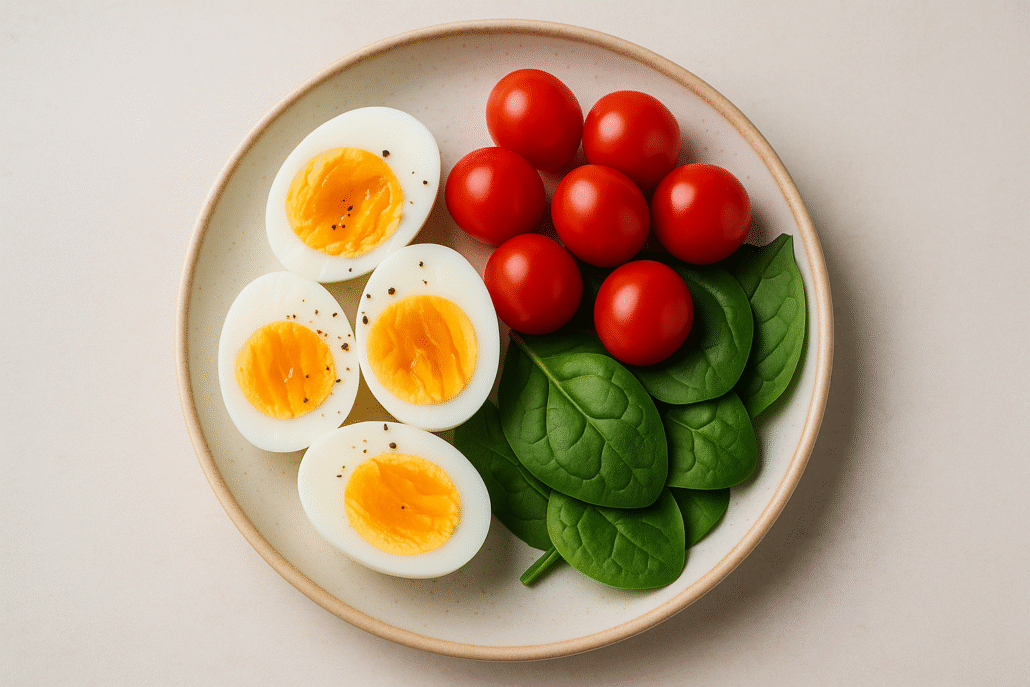
When clients ask me what the best foods for fat loss are, my answer often surprises them — and as a nutritionist in London, I explain that effective fat loss isn’t about restriction but about nourishment. True, lasting results don’t come from cutting calories to extremes or banning your favourite foods. Instead, it’s about fuelling your body wisely, managing hunger through smart food choices, and creating balanced meals that support fat loss while keeping you energised, satisfied, and in control.
In this article, we’ll explore the foods and snacks that naturally support fat loss, help stabilise blood sugar, and improve overall wellbeing — all without going to extremes. As a clinical nutritionist, my focus is on sustainable results that fit your real life.
Understanding Fat Loss vs Weight Loss
Before we talk about food, it’s important to understand the difference between fat loss and weight loss. Weight loss can come from water, muscle, or fat — and not all of it is beneficial. Fat loss, on the other hand, is the reduction of stored body fat while maintaining lean muscle mass. That’s the kind of change that improves metabolism, energy levels, and long-term health.
Crash diets often lead to quick weight loss, but most of it is water and muscle, not fat. When you eat too little for too long, your metabolism slows down and hunger hormones rise, making it harder to maintain results. Sustainable fat loss focuses on nourishing your body, not punishing it.
How Nutrition Supports Fat Loss
Food isn’t just fuel — it’s information for your body. What and how you eat directly influences your metabolism, hormones, and energy balance. By choosing nutrient-dense foods that keep you full and satisfied, you naturally eat less without feeling deprived.
Protein: Your Fat-Loss Ally
Protein is one of the most powerful tools for fat loss. It supports lean muscle maintenance, keeps you feeling full for longer, and slightly boosts your metabolism because it takes more energy to digest. Including a source of protein at every meal helps to control appetite and reduce cravings.
- Great sources: chicken, fish, eggs, Greek yoghurt, tofu, tempeh, lentils, and beans.
- Snack ideas: boiled eggs, Greek yoghurt with berries, cottage cheese, or roasted chickpeas.
Fibre: The Key to Feeling Full
Fibre slows down digestion and helps regulate blood sugar levels, which in turn keeps hunger and energy steady throughout the day. It also supports gut health — an often-overlooked factor in effective fat loss.
- Fibre-rich foods: oats, chia seeds, beans, lentils, apples, and leafy greens.
- Snack ideas: oatcakes with hummus, apple slices with nut butter, or a handful of mixed seeds.
Healthy Fats: Essential for Hormone Balance
Despite their name, healthy fats are essential for fat loss. They help balance hormones, improve nutrient absorption, and keep you satisfied between meals. When combined with protein and fibre, healthy fats can significantly reduce cravings.
- Best choices: avocado, olive oil, nuts, seeds, and oily fish like salmon or mackerel.
- Snack ideas: a small handful of almonds, avocado on wholegrain toast, or smoked salmon on rye crackers.
The Best Foods for Fat Loss
In my clinical practice, there are certain foods I often recommend because they’re satisfying, nutrient-dense, and support natural fat-burning processes. Here’s a look at some of the best options.
1. Eggs
Eggs are a fantastic source of high-quality protein, vitamins, and minerals. They help regulate hunger hormones, making them a great choice for breakfast or snacks. Pair them with vegetables or wholegrain toast for a balanced, filling meal.
2. Greek Yoghurt
Greek yoghurt is rich in protein and beneficial bacteria for gut health. It’s ideal for breakfast or a mid-afternoon snack, keeping you full and supporting digestion. Choose plain, unsweetened varieties and add fresh fruit or seeds for flavour.
3. Oats
Oats are a slow-release carbohydrate that provides lasting energy. They help keep blood sugar stable and can support cholesterol balance. Combine oats with protein — such as milk or yoghurt — for an energising start to your day.
4. Leafy Greens
Low in calories but high in nutrients, leafy greens like spinach, kale, and rocket help fill your plate with volume and fibre without adding many calories. They’re excellent for balancing meals and supporting overall health.
5. Berries
Berries add natural sweetness, antioxidants, and fibre. They satisfy sweet cravings while supporting blood sugar balance. A handful of fresh or frozen berries with yoghurt or oats makes a delicious, fat-loss-friendly addition.
6. Legumes
Beans, lentils, and chickpeas are nutrient powerhouses. They’re rich in protein, fibre, and complex carbohydrates, helping you stay full for hours. They’re also versatile — perfect in soups, salads, or as snacks like roasted chickpeas.
7. Oily Fish
Salmon, sardines, and mackerel are excellent sources of omega-3 fatty acids, which support metabolism and overall wellbeing. Aim for two portions of oily fish per week for heart health and steady energy.
8. Nuts
Nuts are satisfying and packed with healthy fats, protein, and fibre. They’re energy-dense, so portion control matters — a small handful (about 30g) is perfect for a filling snack.
9. Whole Grains
Whole grains like quinoa, brown rice, and barley are rich in fibre and nutrients. They help regulate blood sugar levels and keep you full longer than refined grains, supporting stable energy and appetite control.
10. Green Tea
Green tea provides a gentle metabolism boost and antioxidants that support overall health. While it’s not a magic fat burner, replacing sugary drinks with green tea can make a meaningful difference over time.
Smart Snacking for Fat Loss
Snacking can support fat loss — if done mindfully. The goal is to prevent energy crashes and overeating later. Choose snacks with a mix of protein, fibre, and healthy fats to maintain blood sugar balance and keep hunger steady.
- Greek yoghurt with berries
- Apple slices with almond butter
- Vegetable sticks with hummus
- Boiled eggs with cherry tomatoes
- A small handful of mixed nuts
In practice, I often suggest clients plan snacks as thoughtfully as meals. This helps avoid impulsive choices and supports steady energy throughout the day.
Hydration and Fat Metabolism
Hydration plays a surprisingly important role in fat loss. Even mild dehydration can cause fatigue, cravings, and sluggish metabolism. Drinking water before meals may also help regulate appetite naturally. Aim for at least 1.5–2 litres per day, adjusting for activity levels and climate. Herbal teas, sparkling water, and infused water all count toward your total.
Balancing Blood Sugar for Lasting Energy
Stable blood sugar is key to managing hunger and maintaining energy. When blood sugar spikes and crashes, cravings increase, making it harder to stay on track. To prevent this, include protein, fibre, and healthy fats with every meal — and avoid skipping meals for too long.
For example, a breakfast of oats with Greek yoghurt and berries will keep your blood sugar balanced far better than a sugary cereal or pastry.
Mindful Eating and Sustainable Habits
Fat loss isn’t just about food choices — it’s about your relationship with food. Mindful eating helps you tune in to hunger and fullness cues, enjoy your meals more, and avoid emotional or unconscious eating.
- Slow down while eating — it takes about 20 minutes for fullness signals to register.
- Eat without distractions such as phones or television.
- Pay attention to texture, flavour, and satisfaction.
- Pause mid-meal and ask yourself if you’re still hungry or just eating out of habit.
These small shifts often lead to a big difference in how much you eat — without any sense of restriction.
Why Extreme Diets Don’t Work
Extreme dieting can cause rapid short-term results, but it usually leads to frustration, fatigue, and rebound weight gain. When you under-eat or cut out entire food groups, your body compensates by slowing your metabolism and increasing cravings. Over time, this makes fat loss harder, not easier.
Instead, focus on creating balance and flexibility. Allow yourself to enjoy your favourite foods occasionally. Sustainable fat loss comes from consistency, not perfection.
Building a Balanced Plate for Fat Loss
A simple way to support healthy fat loss is to build a balanced plate using this visual guide:
- Half your plate: non-starchy vegetables such as spinach, peppers, or courgette.
- Quarter: lean protein such as chicken, fish, tofu, or beans.
- Quarter: whole grains or starchy vegetables like quinoa, brown rice, or sweet potato.
- Small addition: healthy fats such as olive oil, avocado, or nuts.
This approach supports satiety, steady energy, and natural calorie balance — without counting or restriction.
Other Lifestyle Factors That Support Fat Loss
While nutrition is central, sustainable fat loss depends on lifestyle habits too. Sleep, stress, and movement all influence how your body stores and uses energy.
- Sleep: Aim for 7–9 hours per night. Inadequate sleep increases hunger and reduces willpower.
- Stress management: Chronic stress elevates cortisol, which can promote fat storage. Incorporate relaxation techniques like walking, deep breathing, or yoga.
- Movement: Combine strength training with daily activity, such as walking or cycling. Building muscle increases resting metabolism.
When to Seek Professional Support
If you’ve struggled to lose fat despite your best efforts, there may be underlying factors such as hormonal imbalances, gut issues, or emotional eating patterns. A registered nutritionist can help you uncover the root cause and tailor an approach that works for your unique body and lifestyle.
At Milena Kaler Nutrition Clinic, my approach is rooted in empathy and evidence. Together, we work to create lasting habits that enhance not just your body composition, but your confidence and wellbeing.
Conclusion: Eating Smart for Lasting Fat Loss
The best foods for fat loss are the ones that nourish your body, keep you satisfied, and fit naturally into your life. By focusing on balance, protein, fibre, and healthy fats, you can improve your metabolism, reduce cravings, and feel your best — without resorting to extremes. The key is progress, not perfection. Sustainable fat loss begins with small, consistent choices that honour your health and happiness.
Disclaimer
This article is intended for educational purposes only and should not replace personalised nutrition or medical advice. Always seek guidance from a qualified professional before making major changes to your diet or lifestyle.
Working with a Nutritionist
Book an appointment today if you feel like you need more assistance or direction to reach your goals.
Online consultation with a Nutritionist is available for clients who live outside the London area or who are unable to come to my London office. You can enjoy the online consultation from the comfort of your home or office and you will be given the same level of personal attention and care that you would experience coming to see the Nutritionist in person.


Leave a Reply
Want to join the discussion?Feel free to contribute!